
Fugo

Display Zendesk dashboards on TV screens

Run ticket queues and SLA dashboards on managed digital signage screens with encrypted authentication, centralized publishing, and device-level monitoring across locations.
No credit card required
14-day free trial
Secure authentication
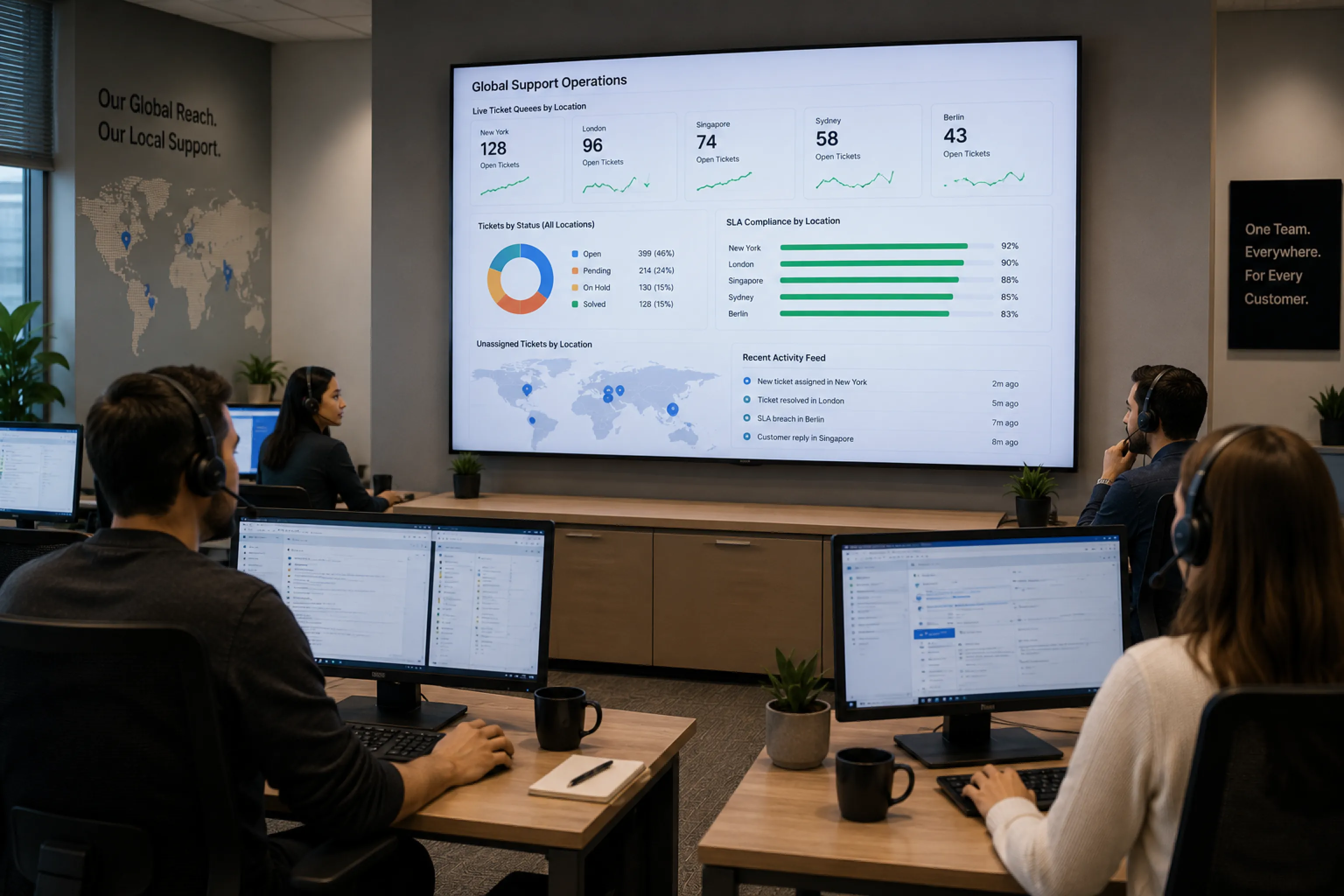
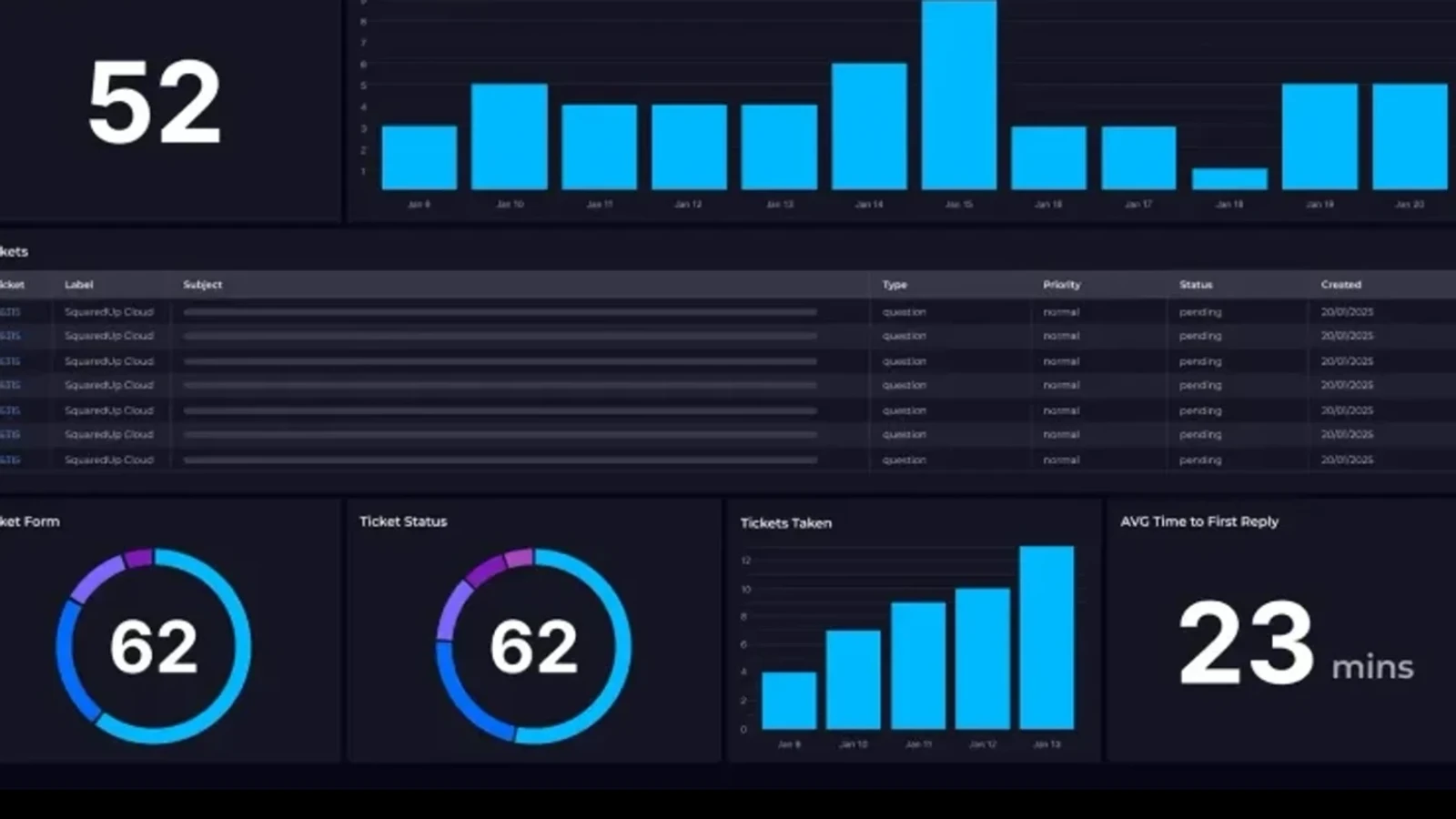
Zendesk dashboard displayed on a TV screen via Fugo digital signage
Zendesk

Keep Zendesk dashboards running on your TV screens

Set up the Zendesk view you want to display once. Fugo handles the recurring work of accessing it, loading fresh data, and keeping it on screen.

Add your Zendesk dashboard

Enter the dashboard URL and login details Fugo will use to access it, including 2FA steps.

Set up the TV view

Set the resolution, crop, and scroll position to get the right part of your dashboard on screen.

Set the refresh schedule

Choose how often Fugo should load a fresh view of the dashboard & update your screens.
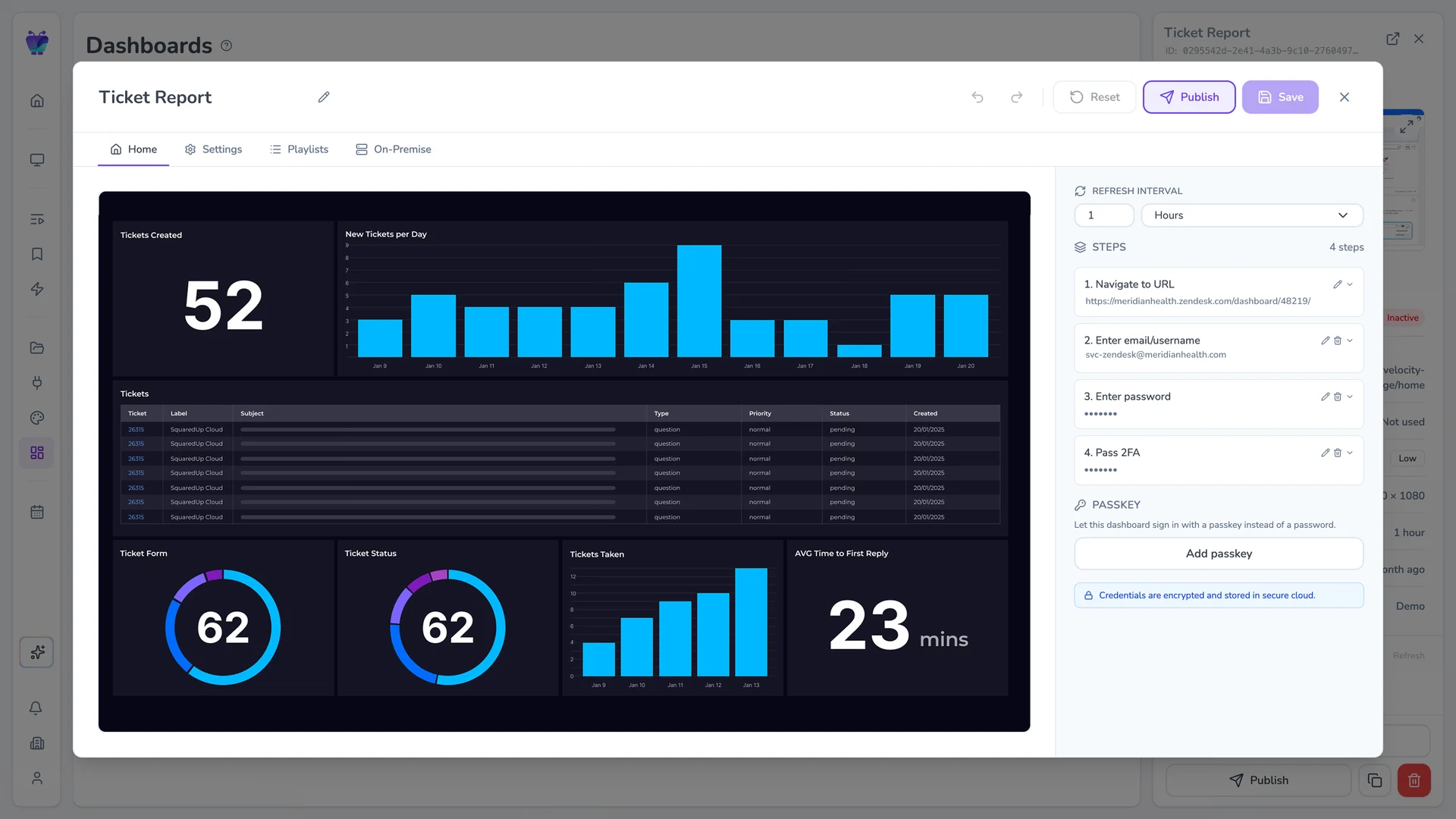
Fugo CMS dashboard-edit modal Home tab showing a Zendesk support dashboard preview alongside the sign-in steps and refresh interval
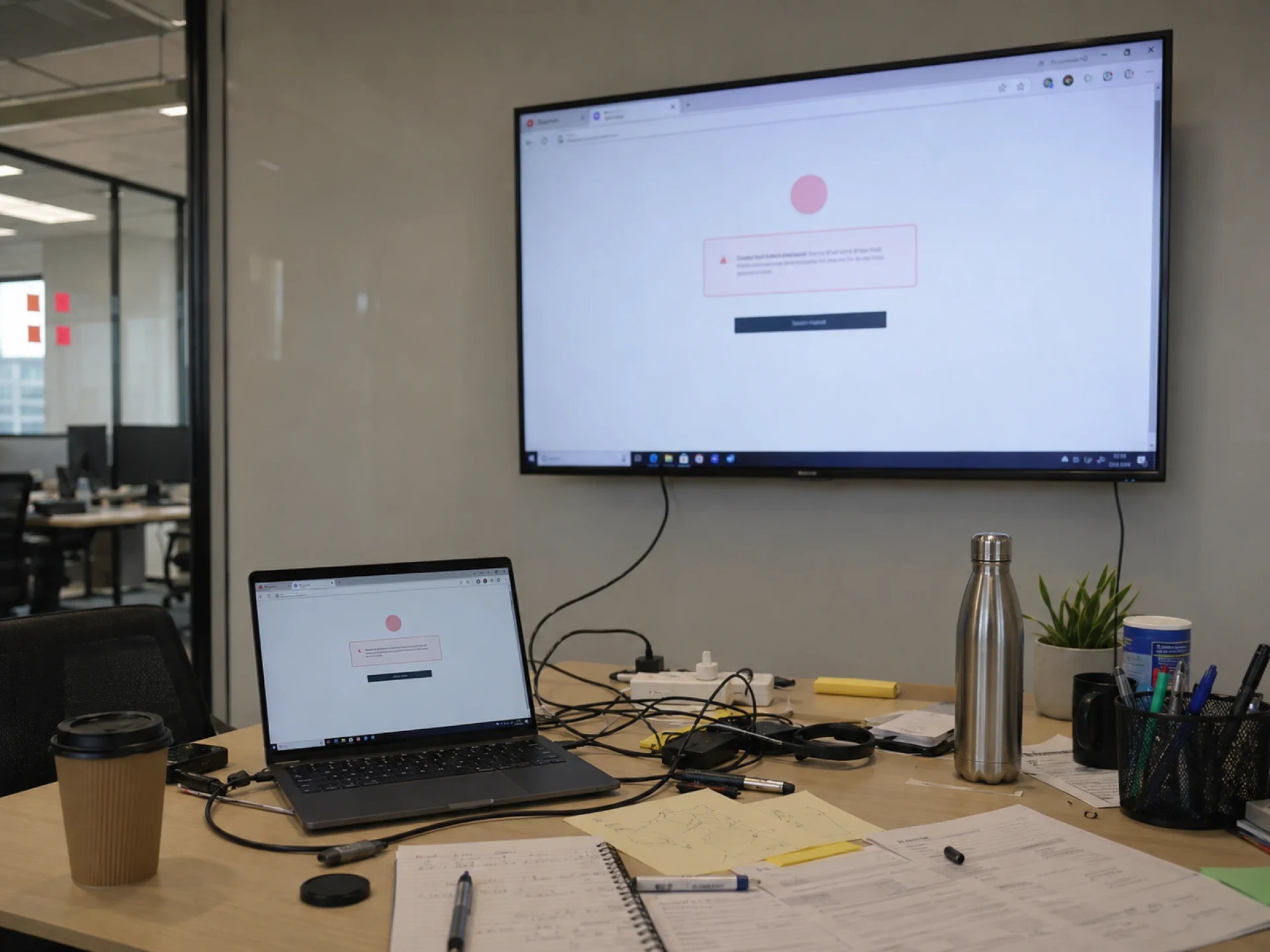
Laptop wired into a wall-mounted TV displaying a Zendesk authentication error — the messy reality of casting dashboards without dedicated signage

Zendesk wasn't built for wall-mounted TVs

Zendesk works well for agents actively working tickets in a browser. But when teams try to keep queues visible all day on shared TV screens, problems appear:

  • A laptop left plugged into a TV

  • Sessions expiring mid-sprint

  • Boards freezing after browser updates

  • SSO prompts interrupting display

  • No centralized way to manage multiple screens

A secure display solution for Zendesk dashboards

Built for unattended playback

Dashboards are captured and refreshed in the cloud, so screens don't rely on an active browser session or logged-in device.

Encrypted authentication handling

Credentials are stored securely and encrypted, with support for SSO and multi-factor environments.

No public exposure

Dashboards are displayed without enabling public links, anonymous access, or exposed URLs.

Controlled refresh intervals

Set how often dashboards update so screens stay aligned with live Zendesk data.

Screen-ready formatting

Crop, scale, and adjust layouts so key metrics remain readable on large shared displays.

Centralized publishing & oversight

Assign dashboards to specific screens and manage updates across locations from one place.

Wherever support performance is tracked, it belongs on a big screen

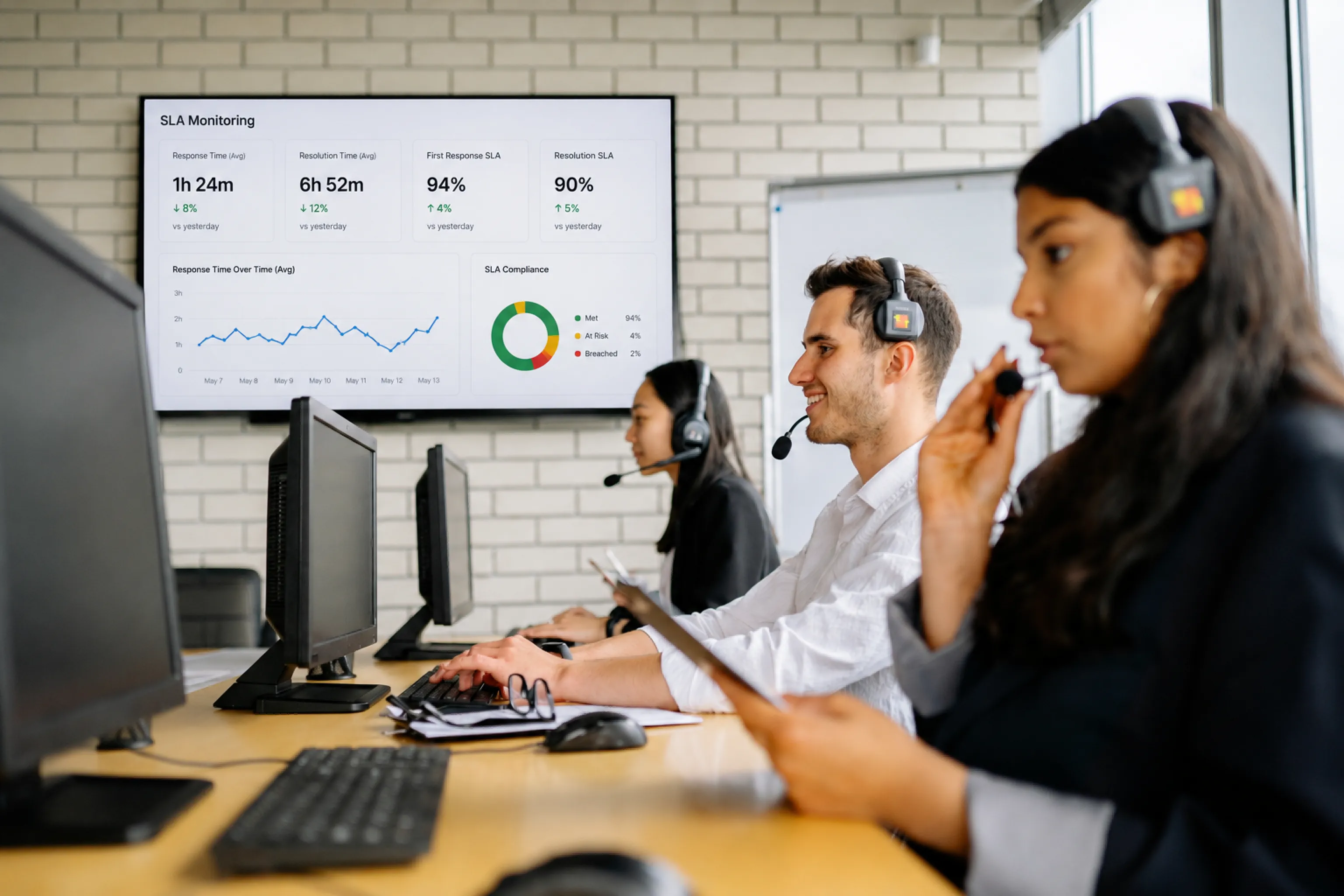
Keep the Zendesk data that shapes the day visible so teams can see workload, service levels, and customer experience changing as they work.

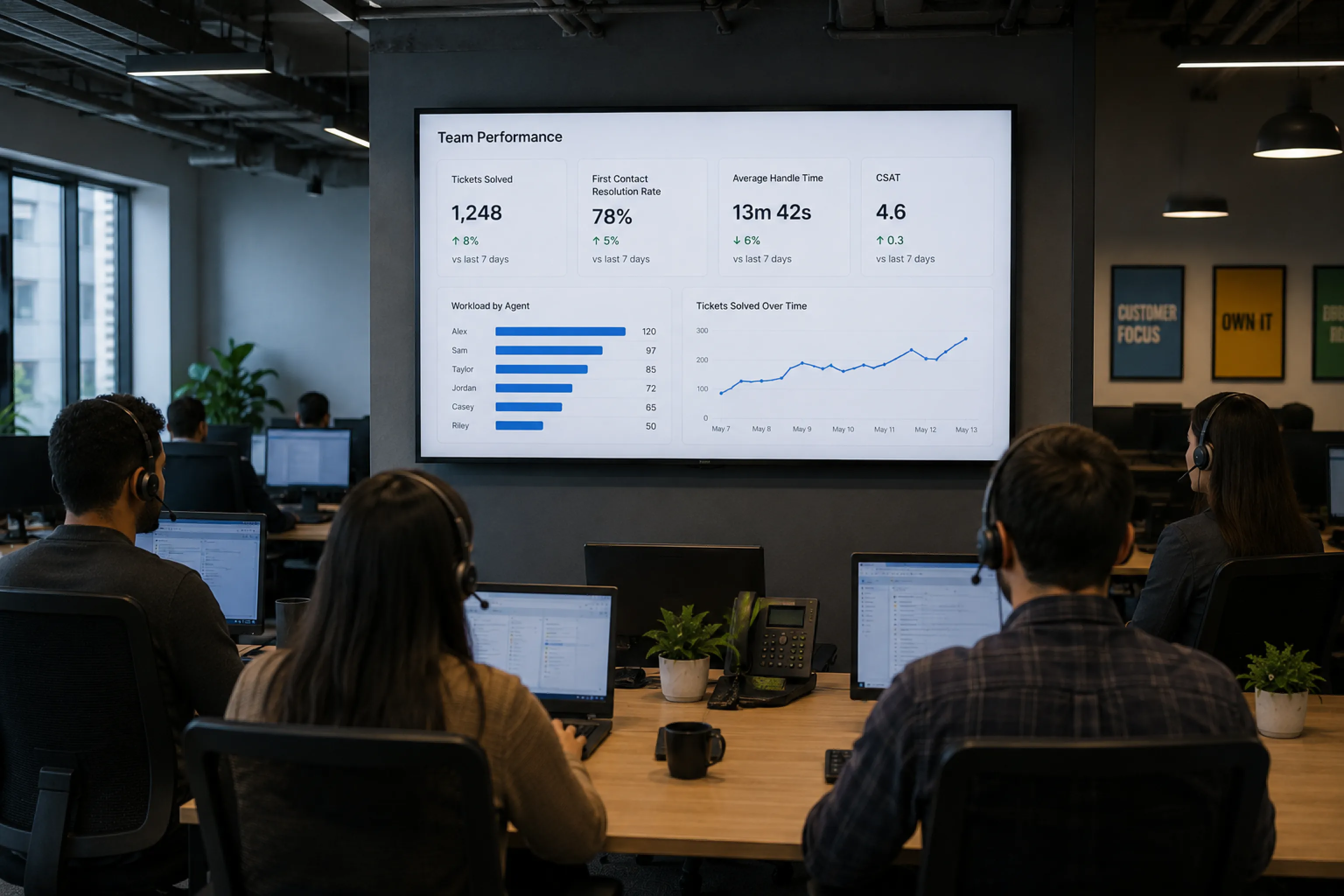
Support team reviewing a live ticket queue dashboard on a meeting-room TV

Live ticket queues

Open tickets and backlogs stay visible throughout the day, giving the team a shared read on how much work is waiting.
Make urgent support issues take over the screen

Use changes in your support data to trigger screen content when a ticket, SLA, or service condition needs the team’s attention.

Explore Triggers
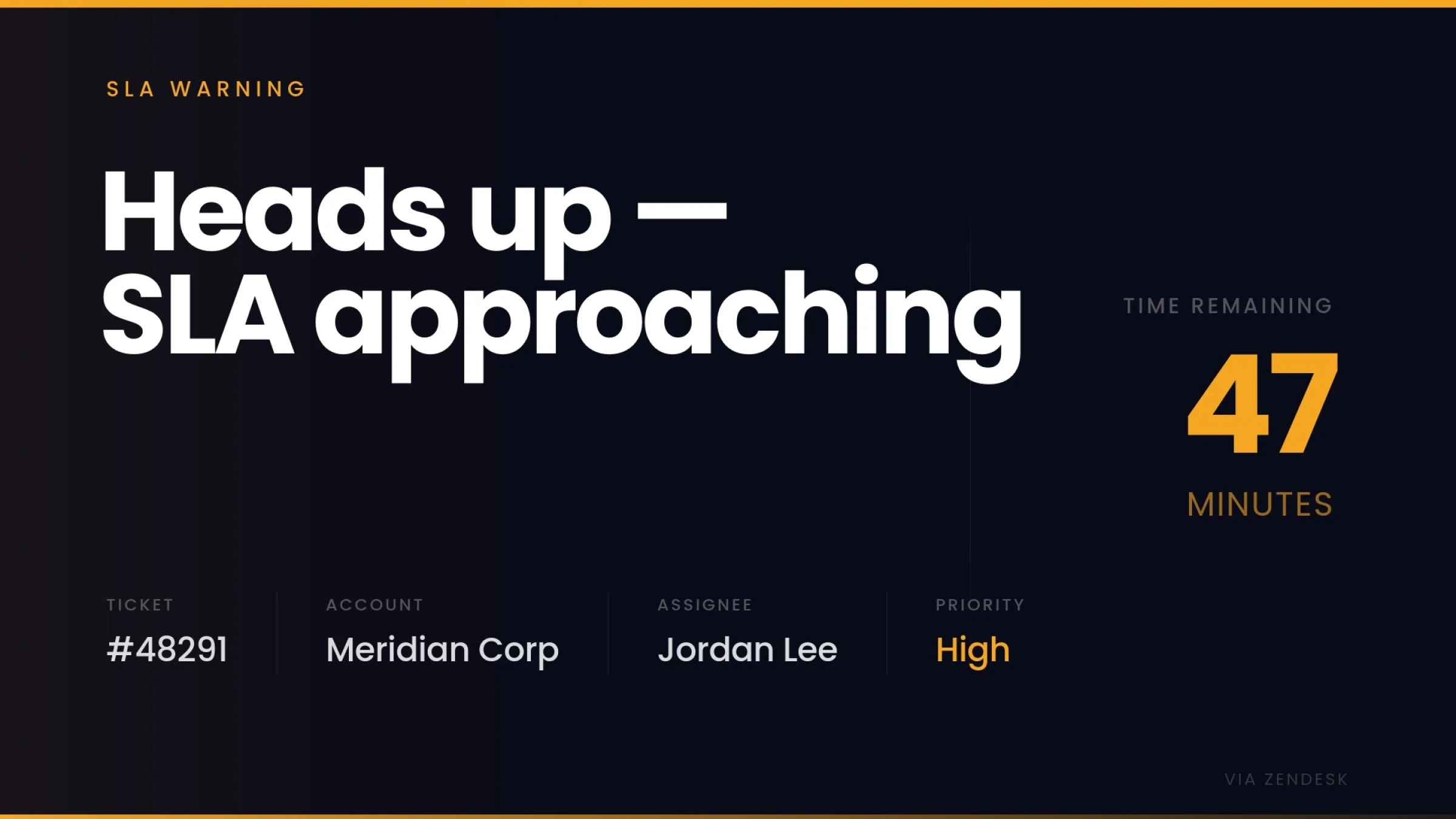
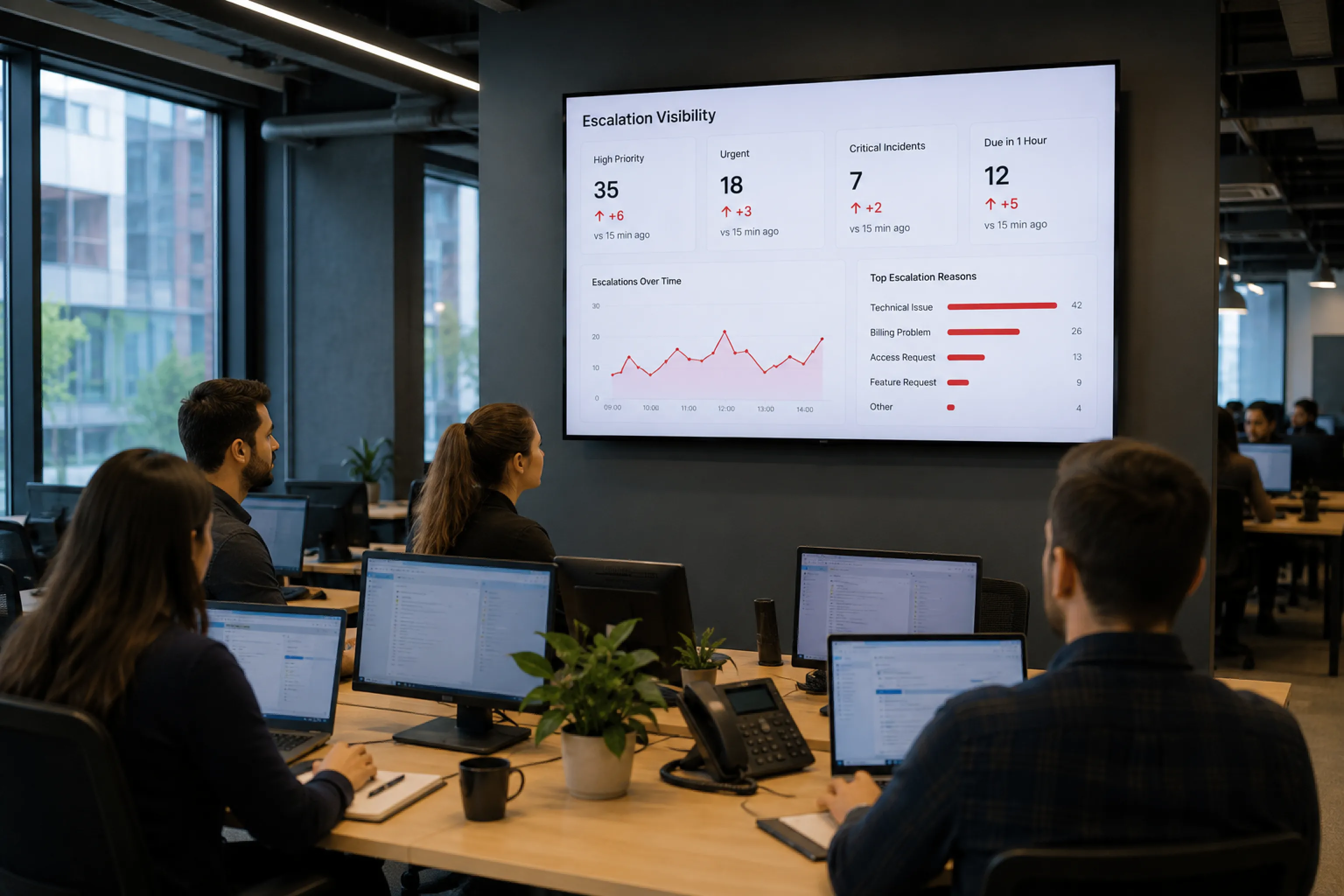
SLA-warning alert screen surfaced by a Fugo Trigger when a Zendesk ticket nears its SLA deadline

Get ahead of SLA breaches

Flag approaching deadlines while there’s still time to act.

Escalate urgent tickets

Bring high-priority cases to the team’s attention as they emerge.

Show when pressure eases

Mark recoveries as queues clear and service levels return to normal.

Fugo works with the rest of your stack

Your screens don’t have to stop at Zendesk. Mix support dashboards with data from the other tools your teams use.

Frequently asked questions

Can I display Zendesk dashboards on a TV screen?

Yes. Zendesk dashboards and Explore reports can be displayed on TV screens using digital signage software that connects securely to your Zendesk account and publishes them to managed displays.

Can I just open Zendesk in a browser and connect a laptop to a TV?

You can, and many teams begin that way.

But that setup depends on an active browser session staying logged in and connected. Sessions can expire, laptops can sleep, and someone has to maintain the device. It also becomes difficult to manage across multiple screens or locations.

What's the difference between casting Zendesk to a TV and using digital signage software?

Casting mirrors a live device session. If the laptop disconnects, locks, or loses connectivity, the screen goes blank.

Digital signage software handles authentication and refresh centrally, so dashboards continue updating without relying on a specific device or browser session.

Do I need special hardware to display Zendesk dashboards on TV screens?

You'll need a compatible smart TV or a supported signage player connected to your display. Once paired with a signage platform, the screen can receive and run dashboards without a permanently attached computer. View supported & recommended hardware.

Do I need to make my Zendesk dashboard public to show it on a TV?

No. You do not need to enable public or anonymous access. Zendesk dashboards can be displayed securely without exposing internal URLs.

How does authentication work when displaying Zendesk on TV screens through Fugo?

You give Fugo your Zendesk login - including a two-factor code or authenticator seed, if your account uses one - and Fugo signs in on your behalf in a secure cloud environment, the same way you would in a browser, completing the 2FA step automatically. It takes a screenshot of the dashboard and displays that on screen, refreshing it with a new screenshot automatically on the schedule you set. Nobody logs into Zendesk on the screen itself: the login is stored encrypted in Fugo's cloud, never on the TV or signage device.

If the password or two-factor seed ever changes, you update it once in Fugo. There's no need to touch the screen or repeat setup on-site.

Will this work in an SSO or multi-factor authentication environment?

Yes. Managed TV dashboard setups are designed to operate within secure authentication policies, including SSO and multi-factor environments, without requiring repeated login prompts on the screen.

Is any Zendesk data stored on the TV or signage device?

No. Only the rendered visual output is displayed on screen. Credentials and live data access remain securely handled in the cloud.

How often can a Zendesk dashboard refresh on screen?

You control the refresh interval. Dashboards are recaptured at defined intervals so screens reflect current ticket volume, SLA status, and performance metrics.

What happens if the screen or device restarts?

Because playback is centrally managed, dashboards resume automatically after device restarts without requiring manual login.

Can I customize how my Zendesk dashboard looks on a TV screen?

Yes. Dashboards can be cropped, scaled, and formatted in the visual editor so queue counts, SLA metrics, and performance indicators remain readable from across the room.

Can I show different Zendesk dashboards on different screens?

Yes. Dashboards can be assigned to specific screens, teams, or locations and managed from a central portal.

Is this suitable for support teams operating across multiple offices?

Yes. Zendesk dashboards can be deployed across distributed support teams while maintaining centralized authentication control and visibility into screen status.

Can I test this before rolling it out across the team?

Yes. You can start with a trial, connect a single dashboard, and validate the setup on one screen before expanding further.