
Windows digital signage software

Run powerful, dependable digital signage on Windows hardware, with Fugo giving you the tools to manage rich content & growing screen networks from one place.
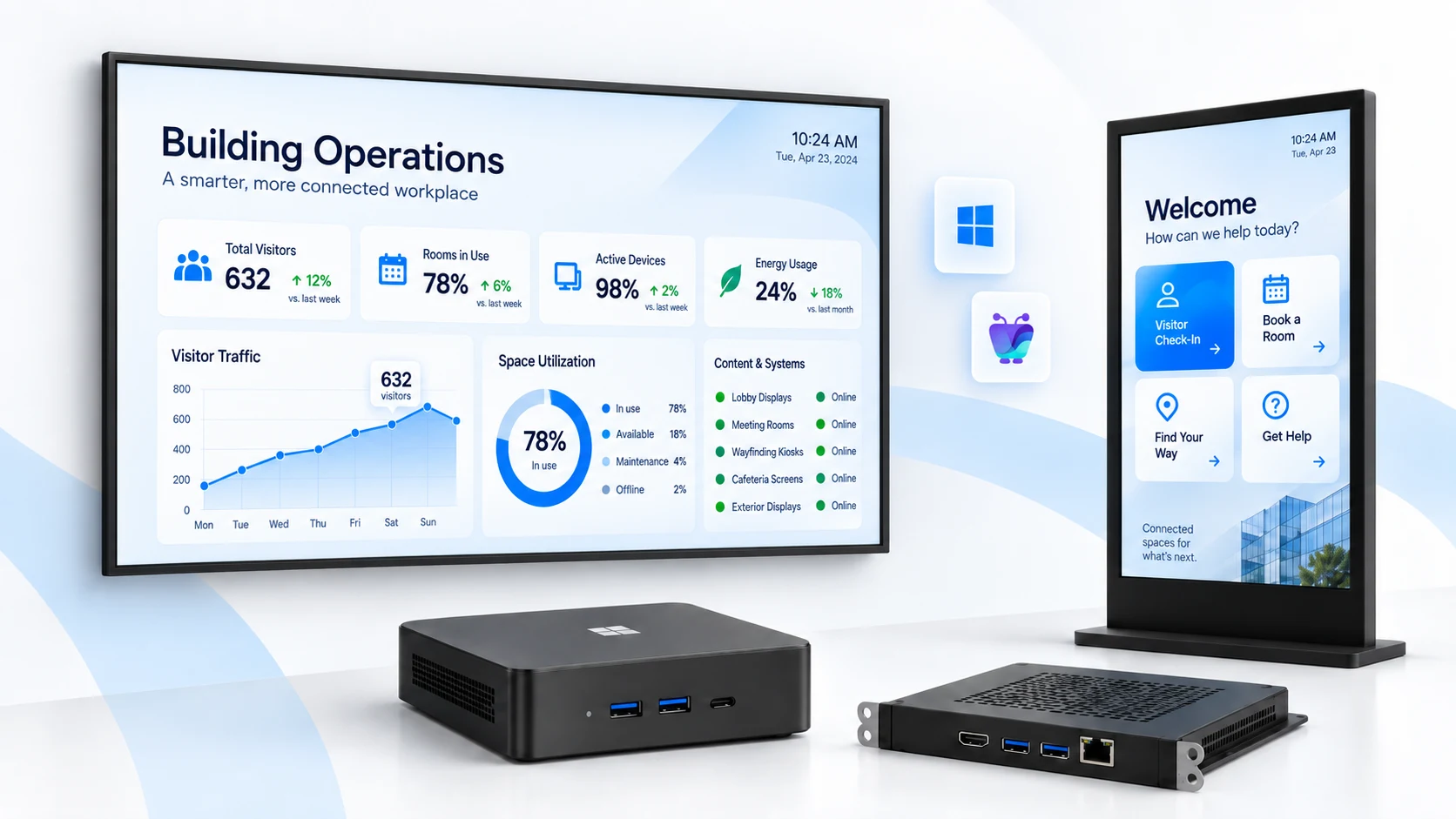
Windows digital signage screens in a modern workplace managed with Fugo

Windows brings desktop-class performance to signage installations

Familiar to IT, with the performance & device flexibility to take on heavier signage workloads.

Powerful rendering engine

Run dashboards, web apps, or HTML5 content with a desktop-class browser engine.

Flexible hardware

From compact mini PCs to fanless players and OPS modules, there’s a Windows device to fit the install.

Security built in

Secure Boot, Microsoft Defender, and managed updates give Windows a security foundation that starts at the OS.

Centralized deployment

Deploy Fugo across managed Windows devices through Microsoft Intune, with app installation & updates handled centrally.

Fits existing IT

Windows is already part of the IT stack, making signage endpoints easier to standardize and support.

Clear support lifecycles

Microsoft publishes support timelines for Windows releases, giving IT a clear basis for planning upgrades.

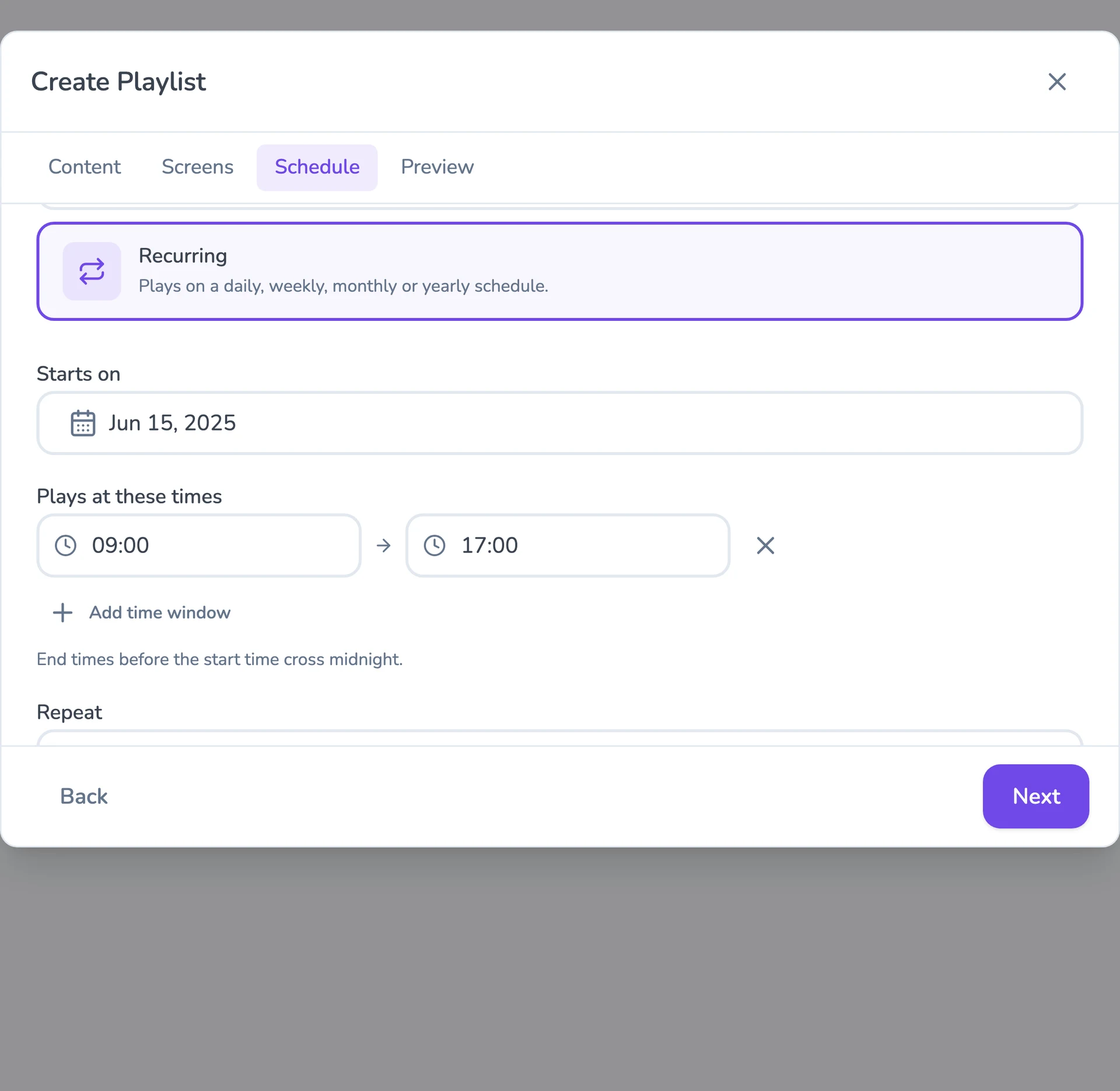
Deploy Fugo through Microsoft Intune

Roll Fugo out silently across managed Windows devices, assign it to the right device groups, and control player updates through the same Intune workflows IT already uses.

Learn how →
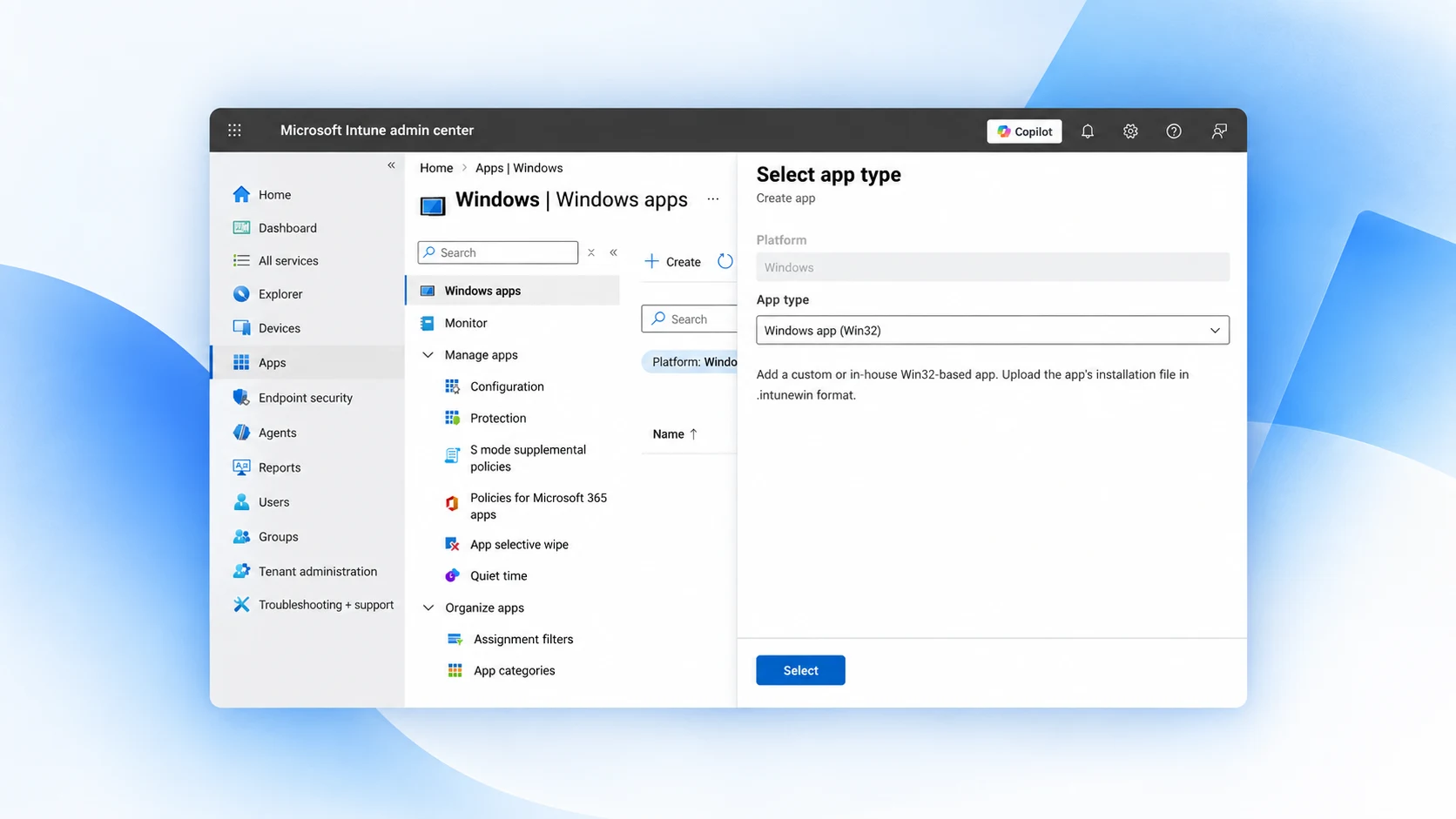
Deploying the Fugo Player app to managed Windows devices through Microsoft Intune

The CMS that runs your Windows screen network

Windows handles the device. Fugo handles content, scheduling, automation, and day-to-day control of every screen.

Centralized screen management

Organize and control your entire screen network from one place, without losing the flexibility to manage each screen according to its setup.

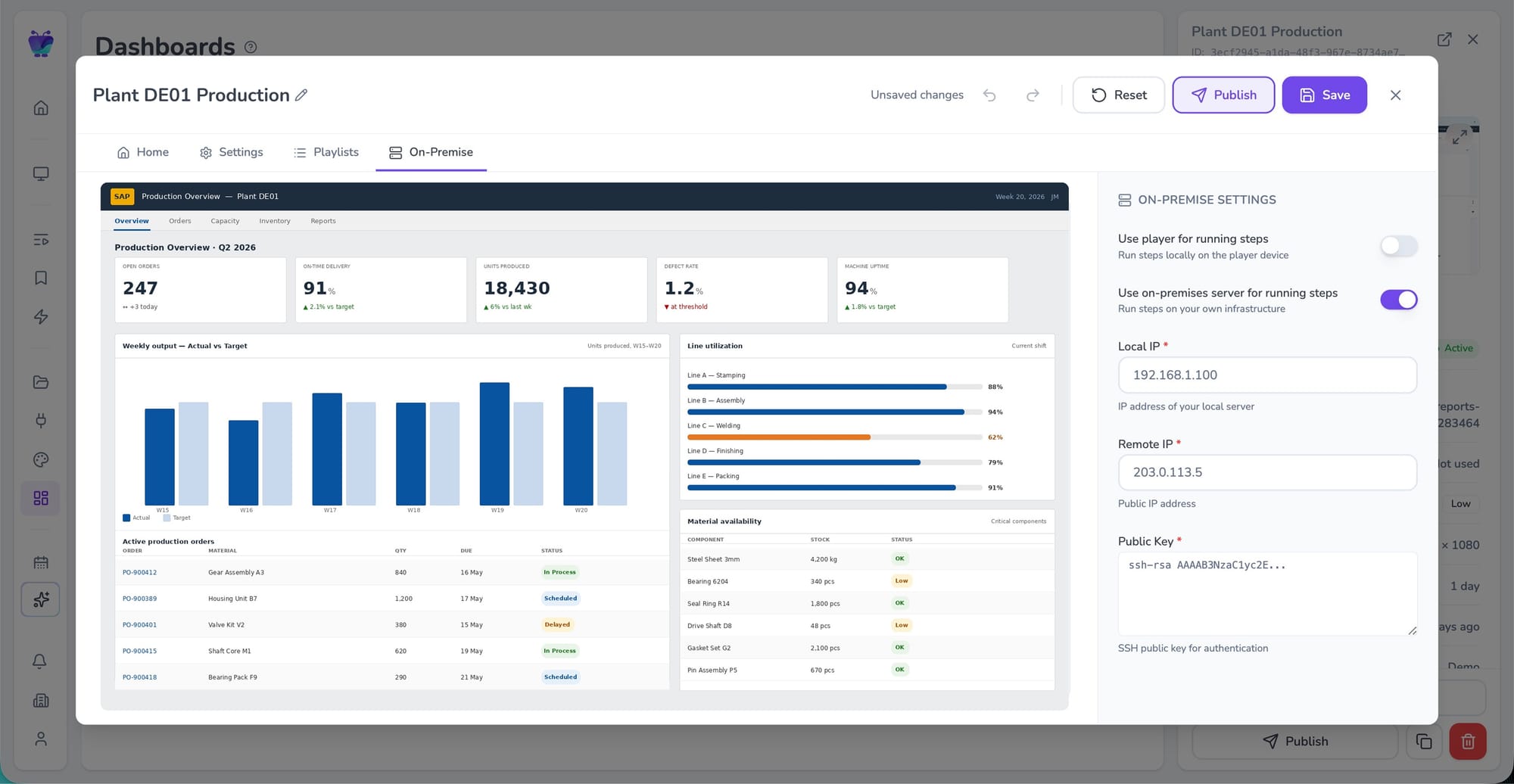
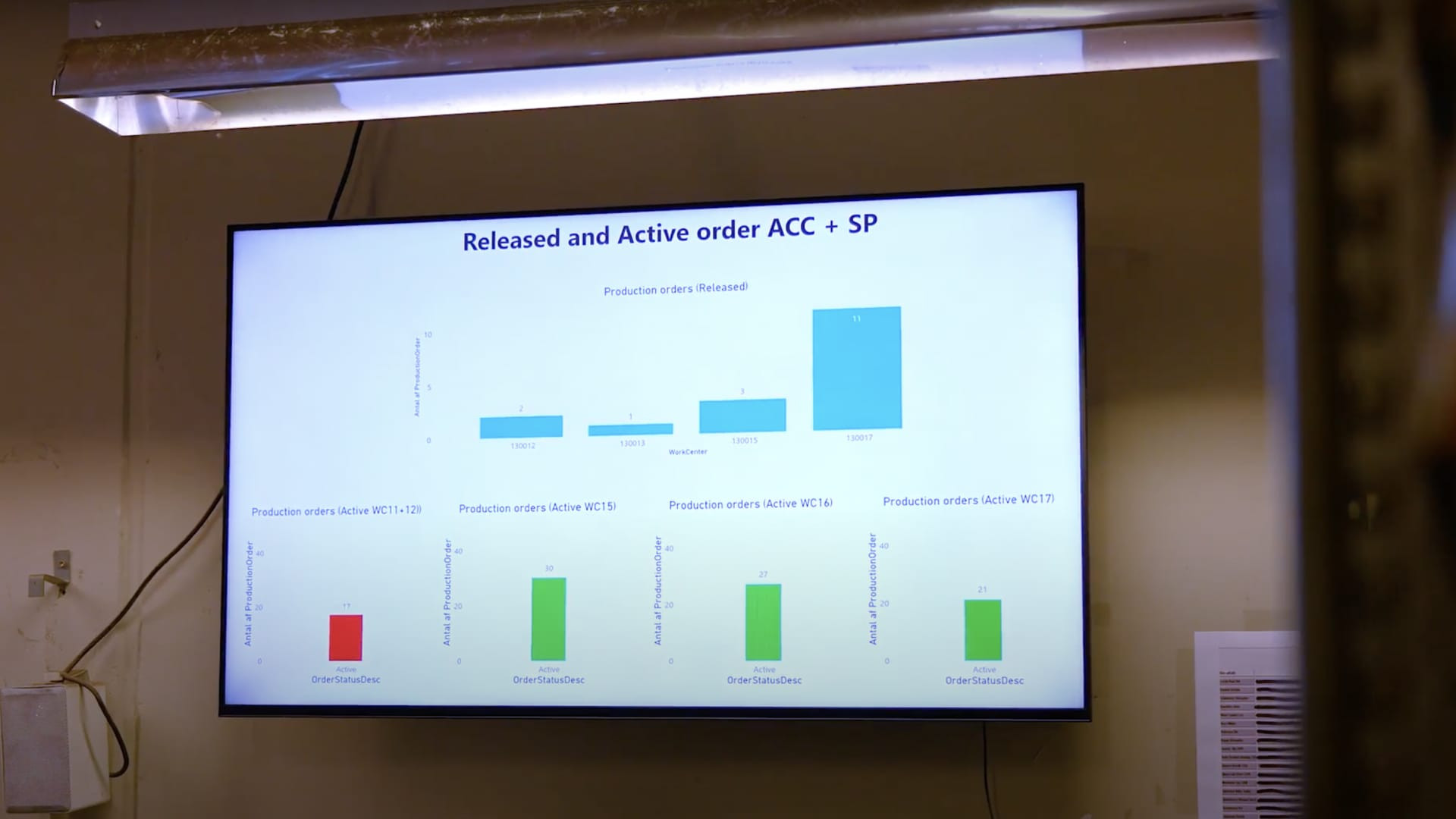
Live data on screen

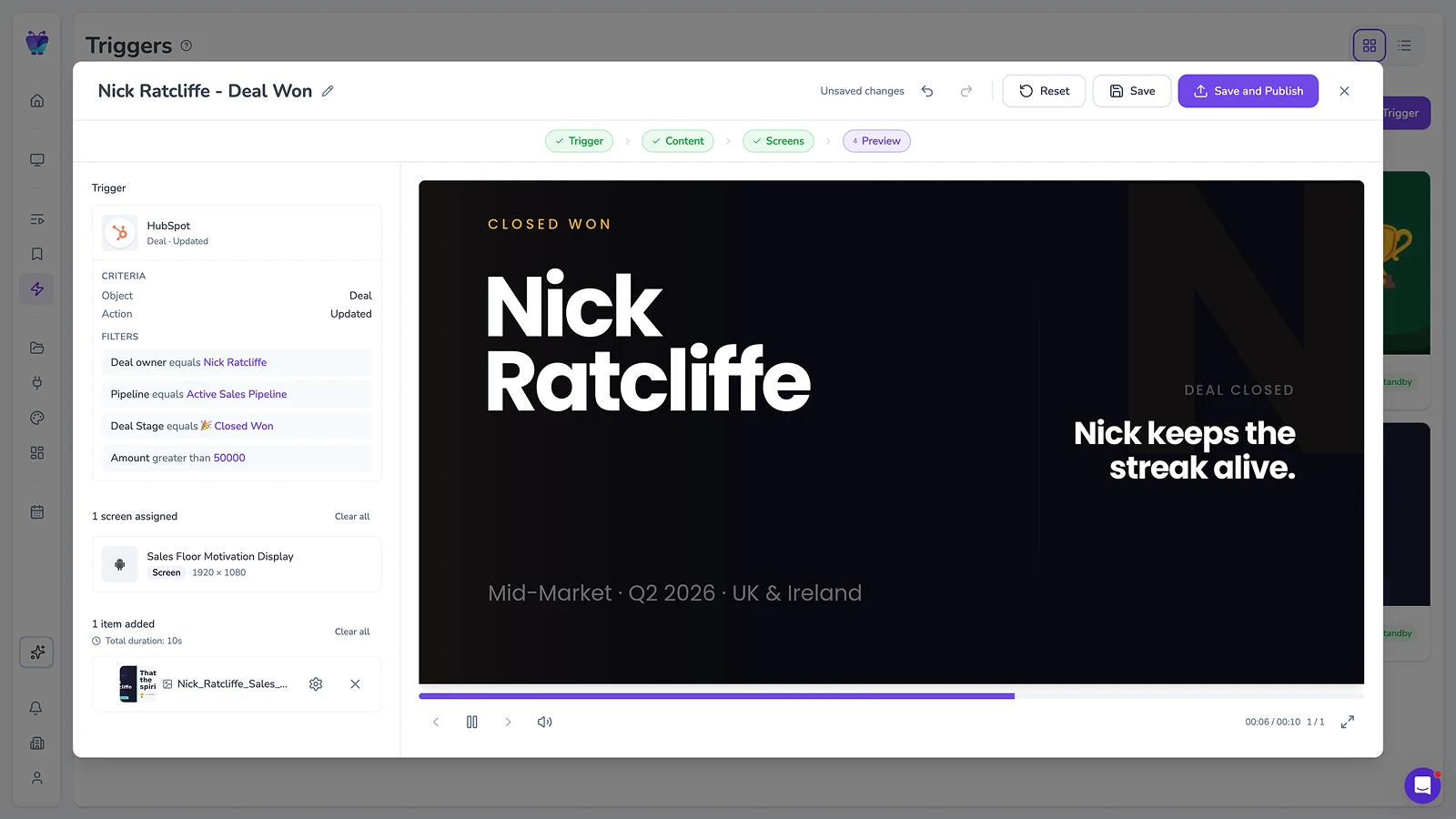
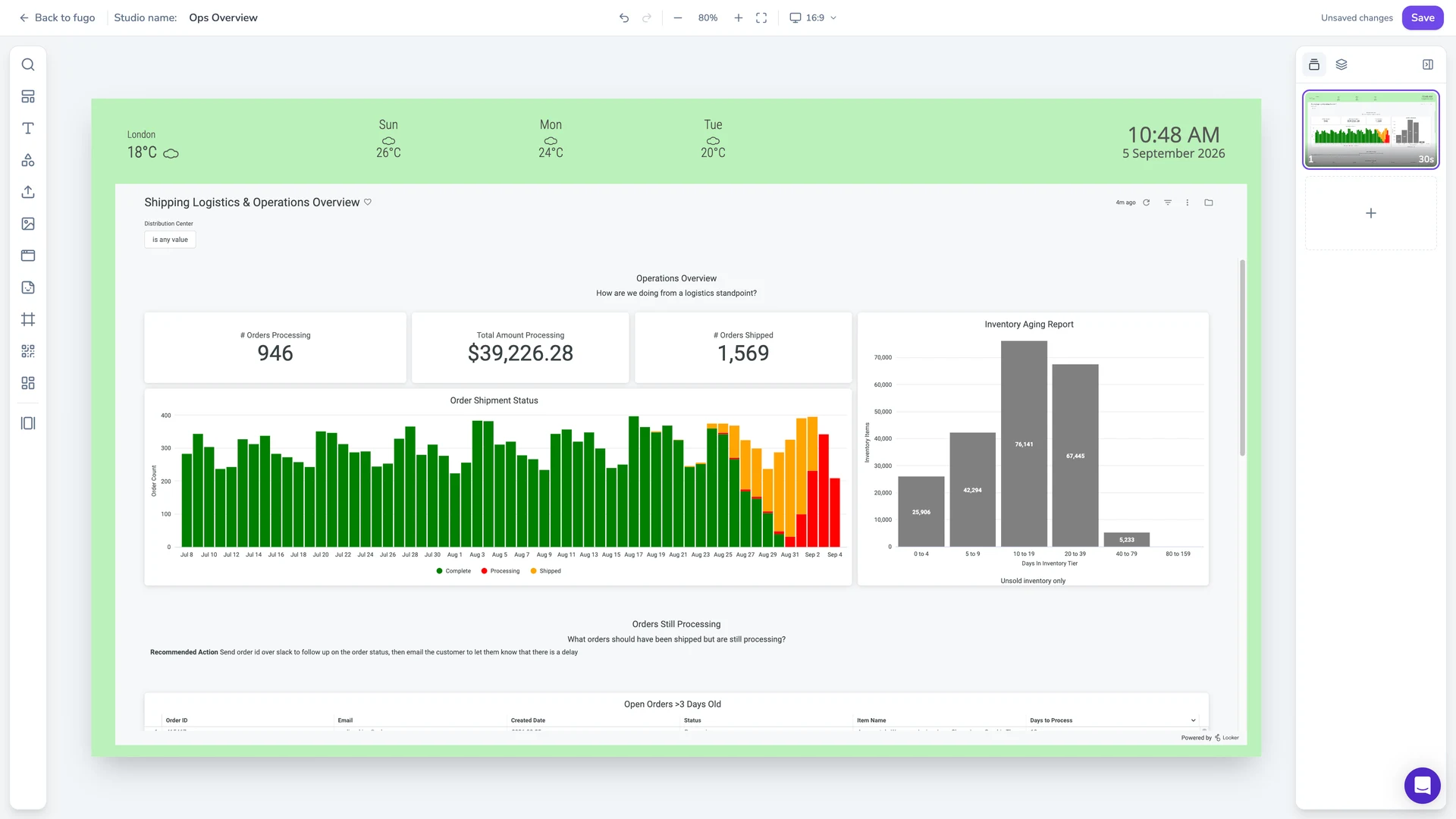
Put BI dashboards and KPIs on the display through Fugo’s integrations, and keep them refreshing without anyone signing in on site.

Built-in remote monitoring

See what’s happening on remote screens from Fugo. Verify playback and investigate problems without sending someone on site.

Granular user management

Give teams access to the screens and content they own without opening the rest of the network.

From ten screens to a few hundred

Standardize on one solution across the enterprise, and give every site more ways to put its screens to work.

Explore Fugo for enterprise

Standardize every rollout

Set one Windows + Fugo model for the business, then repeat it across sites without rebuilding the stack with each rollout.

Room for evolving use cases

The same player class that handles a lobby greeting screen can absorb operational displays, alerts, and interactive kiosk use cases.

Local freedom with central control

Give teams ownership of their screens while company-wide branding and messaging standards stay intact.

Power LED & video wall installations with Fugo

Use Windows for large-format LED and video wall installations, with Fugo making it easy to design one canvas, map it across the display, and keep playback seamless.

A laptop running Fugo Design Studio beside a large LED video wall in a retail store showing the same campaign

Recommended Windows devices

Our top Windows picks for reliable Fugo deployments across a range of signage setups.

View all supported Windows hardware
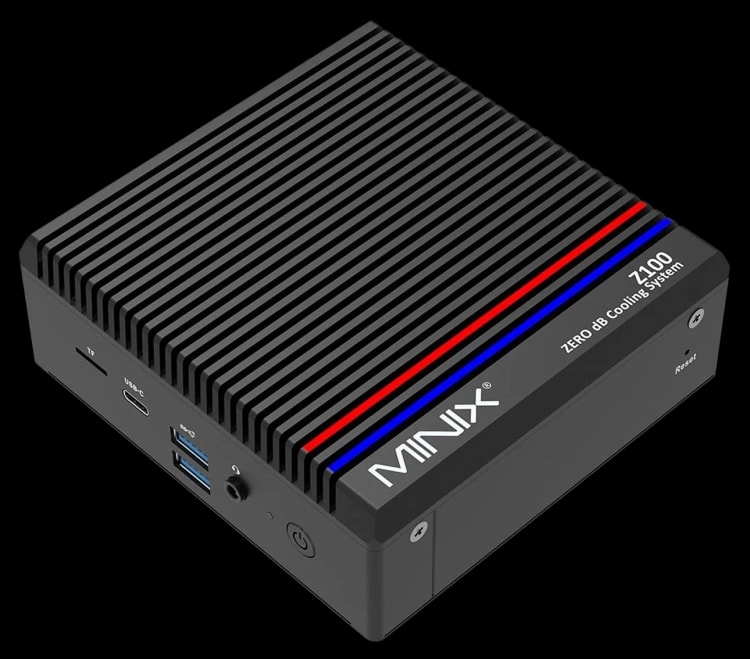
MINIX Z100
Starter device

MINIX Z100

A compact, budget-friendly Windows player for everyday signage, lighter dashboard use, and smaller rollouts.

Key features
  • Intel N100 processor

  • Fanless design

  • Dual HDMI 2.1

  • 2.5Gb Ethernet

  • Windows 11 Pro

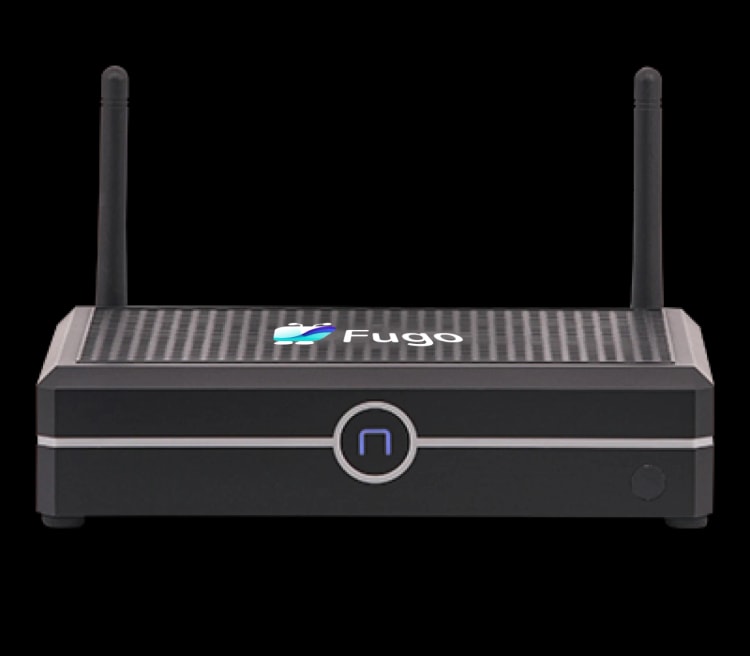
Fugo NUC
Purpose-built with Fugo

Fugo NUC

A dedicated Windows signage player with Fugo pre-installed, built for reliable rollouts and multi-screen installations.

Key features
  • Fugo pre-installed

  • Windows 10 IoT Enterprise LTSC

  • Up to 3 displays

  • 4K & HTML5 playback

  • Rated for 24/7 operation

ASUS NUC 16 Pro
Larger multi-display setups

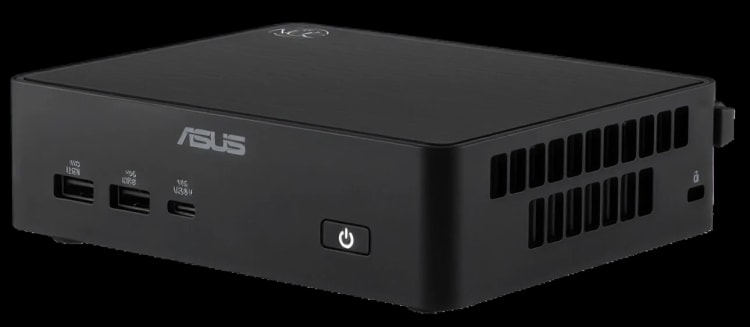
ASUS NUC 16 Pro

A higher-performance Windows player for demanding dashboards, rich web content, and multi-display setups.

Key features
  • Intel Core Ultra processor options

  • Intel Arc graphics options

  • Up to four 4K displays

  • Dual 2.5Gb Ethernet

  • Intel vPro options

Windows digital signage FAQs

How does a Windows PC become a digital signage player?

Install a digital signage app like the Fugo Player app on the device and it becomes a dedicated signage endpoint. Once Windows signs in, Fugo launches automatically in full screen and handles playback while the device remains part of the Windows environment your IT team already knows how to manage.

What software do I need to run digital signage on Windows?

You’ll need Fugo Player on the Windows device and the Fugo CMS in your browser. The player handles what appears on screen; the CMS is where your team creates content, schedules it, manages screens, sets permissions, monitors playback, and handles the rest of the signage workflow.

Windows provides the operating system and hardware environment. Fugo provides the signage layer on top of it.

When is Windows a good choice for digital signage?

Windows makes sense when your signage asks more of the player, or when your organization already manages a Windows estate. PC-class hardware gives demanding dashboards and web content more processing headroom, while IT can keep signage inside familiar security, deployment, and support processes.

If your screens only need to loop lightweight images and video, you may not need that extra horsepower and a lower-cost platform could be perfectly adequate.

How do I install Fugo on Windows?

For an individual device, download the Fugo Player installer and run it like a standard Windows application. Fugo then launches automatically with Windows, opens in full screen, keeps itself up to date, and prevents the PC from sleeping during playback. Once the player shows its four-digit PIN, enter that in Fugo CMS to pair the device.

If the PC stops at the Windows login screen after a reboot, you’ll also want to configure automatic sign-in for unattended signage. Full instructions are in the Windows setup guide.

Can I deploy Fugo with Microsoft Intune?

Yes. Fugo has a dedicated Intune deployment path for organizations managing Windows devices at scale. IT can install the player silently, assign it to the appropriate device groups, and decide when new Fugo versions are rolled out rather than relying on each player to update itself.

The Intune build requires 64-bit Windows 10 or 11, with devices enrolled in Intune and joined to Microsoft Entra ID. See the Intune deployment guide for the full setup.

What can I show with Fugo on Windows?

Windows supports the full range of Fugo content, from uploaded media and Design Studio layouts to web pages, HTML content, and apps. You can also put protected business data on screen with TV Dashboards, including dedicated integrations for tools such as Power BI and Grafana.

Fugo also supports content triggers, so screens can temporarily switch content when a defined event occurs rather than relying entirely on a fixed schedule. Windows also supports multi-zone layouts with up to two video or streaming zones playing concurrently.

Does Fugo support touch on Windows?

Yes. Fugo can run touch content on Windows tablets, interactive displays, or a Windows mini PC connected to a touch-enabled screen.

You can build straightforward tap-through experiences directly in Fugo’s Design Studio, or embed a web application when the interaction needs to be more sophisticated. That covers use cases from directories and information kiosks to check-in flows and other browser-based experiences.

Can one Windows PC drive multiple displays?

Yes, provided the hardware has the outputs and graphics capability to support them. That makes Windows particularly useful when you want one player to serve several displays rather than putting a separate device behind every screen.

For example, the ASUS NUC 16 Pro can drive up to four extended displays, while the Fugo NUC supports up to three. For a synchronized multi-panel video wall, the requirements are different and purpose-built signage hardware may make more sense; see our BrightSign page for one option.

Can a Windows player receive screen sharing or casting?

Yes. With Fugo’s screen mirroring, a Fugo-connected Windows player can temporarily switch from scheduled signage to a live browser share. Someone presenting can share a browser tab, window, or entire screen without installing a separate presentation app.

When the share ends, the display returns to its scheduled Fugo content automatically.

Will Fugo come back automatically after a Windows reboot?

Yes. The standard Fugo installer configures the player to launch automatically once Windows starts and the user signs in, so an unattended player can return to signage playback after a restart or power interruption. The installer also prevents the PC from going to sleep during normal playback.

If Windows requires someone to sign in after a reboot, you’ll need to configure automatic login separately. Standard Fugo installations also update the player automatically; deployments managed through Intune stay on the version IT has approved until the next version is rolled out centrally.

What Windows version and hardware does Fugo need?

Fugo supports Windows 10 Home or Pro, 32-bit or 64-bit, and newer versions of Windows. The minimum is a dual-core processor, 2 GB of RAM, and 32 GB of storage, but for new hardware we recommend stepping up to at least a quad-core processor, 8 GB of RAM, and 64 GB of storage.

If you’re deploying through Intune, devices need to run 64-bit Windows 10 or 11 and be enrolled in Intune and joined to Microsoft Entra ID.

Which Windows devices work with Fugo?

Fugo isn’t tied to one Windows manufacturer or form factor. You can run it on mini PCs, standard desktops, tablets, touch-enabled PCs, and OPS modules as long as the hardware meets the required specification.

For new deployments, the recommended models above give you a good starting point. The Fugo NUC comes with Fugo pre-installed if you want a dedicated signage player without sourcing and configuring the Windows hardware separately. You can also browse the full Windows hardware directory.