


On November 11, Starbucks described the personalized drive-thru menus it has in mind. In a post on the company's newsroom, Paul Riedel, its senior vice president of digital and loyalty, said Starbucks is exploring how customers who choose to take part could carry their app experience into the lane. "That could mean being greeted by name, receiving recommendations based on favorites and usual orders, or choosing to pay automatically," he wrote. Customers would enroll through the Starbucks app.
The same post said Starbucks plans to begin testing AI that helps baristas take drive-thru orders in early 2027, running in the background while baristas stay focused on the customer. Starbucks Rewards has 36 million members in the US who were active in the last 90 days, which gives the company a large base of known customers to build on.
None of this is live yet. Brian Niccol, Starbucks' chairman and CEO, raised the idea on the company's October 29 earnings call: "We're also exploring experiences that recognize participating customers as they arrive, present personalized digital menus," and make paying simpler. "We're early in this work, and we'll test, learn, and scale what works." Roughly half of Starbucks customers use the drive-thru, he said. When an analyst asked about timing, Niccol said, "It'd be premature to get specific on this."
The next morning he gave Yahoo Finance a more concrete version, as GeekWire reported: "When you pull up to the drive-thru, if you're in our app, it will recognize you," he said. "It'll show the order that you've placed historically or the last time you ordered." Starbucks has not said how customers would be identified or where it would test the idea.
How customers reacted
The phrase "recognize participating customers" drew attention in the coverage that followed. Some reports jumped to facial recognition, GeekWire noted. The New York Post described "a trove of tweets where customers threatened to boycott," including one user who objected to prices being set by demographics.
Starbucks answered both concerns in a statement to the Post. It said the technology will not be used to personalize prices, and a spokesperson said, "it may help recognize a returning customer through the Starbucks app, rather than facial recognition, streamline ordering or surface relevant product recommendations." Riedel's November post made the same commitment in general terms: "transparency, customer choice and data protection will guide how they work and how customer information is used."
People wanted to know how the board would know them, whether they could say no, and whether being known would change what they paid. A restaurant planning a personalized board needs an answer to each before it launches.
Taco Bell and McDonald's are further along
Starbucks is describing plans. Two other chains have already run tests.
At Taco Bell, Yum Brands piloted AI dynamic menu boards in US drive-thrus during the first quarter of 2026, with A/B testing, and plans a nationwide rollout this year. "This new feature can dynamically change the layout content and visuals on a car-by-car basis, allowing the brand to generate insights more quickly and make more effective national adjustments," Yum CEO Chris Turner said on the company's earnings call, as reported by Restaurant Dive. Taco Bell confirmed to Restaurant Dive that the testing will not change store pricing.
Yum's CFO, Ranjith Roy, credited the groundwork. The rollout was possible, he said, because of "the underlying integrated Byte technology and the physical investments in digital menu boards that we and our franchisees rolled out over several years."
In June, ABC News reported that McDonald's was testing ArchIQ, a Google-powered AI ordering system, at five US restaurants. According to a franchise owner posting on X, it can respond to repeat customers who ask, "Can I get my usual?" McDonald's has not explained how that feature works.
Two kinds of personalization
The word "personalized" covers two different things in these announcements.
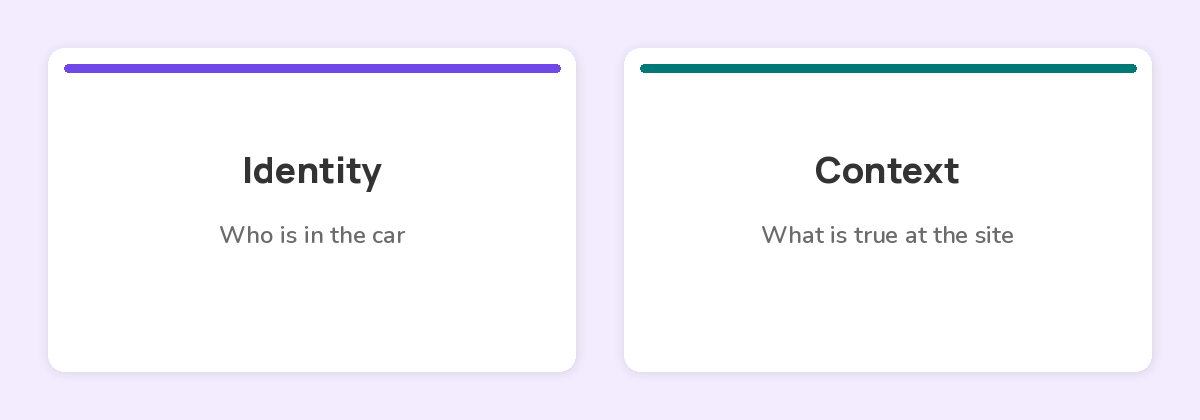
The first is identity. The board or the order-taker knows who is in the car and uses their history. Starbucks' plan and the McDonald's "usual" feature sit here. It depends on an app, a loyalty base big enough to matter, a way to match a car to an account, consent, and a link between all of that and the point of sale. Even Starbucks, with 36 million active Rewards members, calls its version early.
The second is context. The board changes according to what is true at that site at that moment: the time of day, what is in stock, what the kitchen wants to sell, what is happening locally. Taco Bell's announcement describes layouts that change car by car, and Yum framed the benefit as faster insight and national adjustments. Roy's point applies to everyone: the AI layer was built on boards that could already be changed from software.
For most independent restaurants and small chains, the second kind is the one within reach today.
What a smaller restaurant can do with personalized drive-thru menus today
None of the following needs to know who the customer is.
- Time of day. Breakfast in the morning, lunch at midday, a shorter late menu after the dinner rush. Day-parting lets each part of the day carry its own board on the same screen, so the breakfast board is gone by lunch.
- What is available. A board that still shows a dish the kitchen ran out of an hour ago frustrates whoever orders it. Marking an item sold out in the Digital Menu app keeps the board honest.
- Which site it is. Schedules can point at a group of screens, so a drive-thru near an office park and one near a school can run different promotions from the same account.
- What is happening. A timed takeover for a game-day special, or one a manager starts by hand when a fresh batch comes out, uses the same content triggers that offices use for alerts.
- What you want to learn. Taco Bell is running A/B tests at national scale. A smaller operator can do a slower version: run one layout for two weeks, swap the featured item's position, and compare what sold.
These changes look the same to every car at a given moment, so they avoid the privacy questions that followed Starbucks. They also build the foundation Roy described, a board the business can change quickly and centrally.
If you do use customer data
Some operators already have a loyalty app or online ordering accounts, and will want to greet regulars or suggest a usual order. The reaction to Starbucks points to a few habits worth keeping from the start.
Make it opt-in, and say so where the customer signs up. Explain the method in plain words: the app, a phone near the speaker, a loyalty number. Keep prices the same for everyone, and say that too, because pricing was the worry the New York Post reported after the Starbucks news, and Taco Bell addressed it directly. Make sure the lane works just as well for someone who has not enrolled.
FAQs
What is a personalized drive-thru menu?
A drive-thru menu board that changes what it shows for different customers or moments. Some versions use the customer's identity, such as an app account and past orders. Others use context, such as time of day, stock, location or a running promotion.
Is Starbucks using facial recognition at the drive-thru?
Starbucks told the New York Post that its planned drive-thru personalization may recognize a returning customer through the Starbucks app, "rather than facial recognition." It has said customers would enroll through the app, and it has not announced test locations or dates.
Will personalized menus change prices?
Starbucks told the New York Post its technology will not be used to personalize prices. Taco Bell confirmed to Restaurant Dive that its car-by-car menu board testing will not change store pricing.
When will Starbucks' personalized drive-thru launch?
Starbucks has not given a date. It plans to start testing background AI that helps baristas take drive-thru orders in early 2027. The personalized recognition experience is described as something it is exploring, and Niccol called the work early.
Can a small restaurant personalize its menu board?
Yes, by context. A digital menu board can change by time of day, mark items sold out as stock runs low, run different content at different locations and show timed promotions, all without knowing who is ordering.
Getting started
If your boards are still printed or updated by hand, start with the digital menu board use case and our guide to digital menu boards for restaurants. Day-parting and sold-out updates are a sensible first step, and they are the base personalized drive-thru menus would later run on.


