
Android digital signage software

Transform everyday Android hardware into dedicated signage displays while Fugo handles playback, scheduling, and network health from one central dashboard.
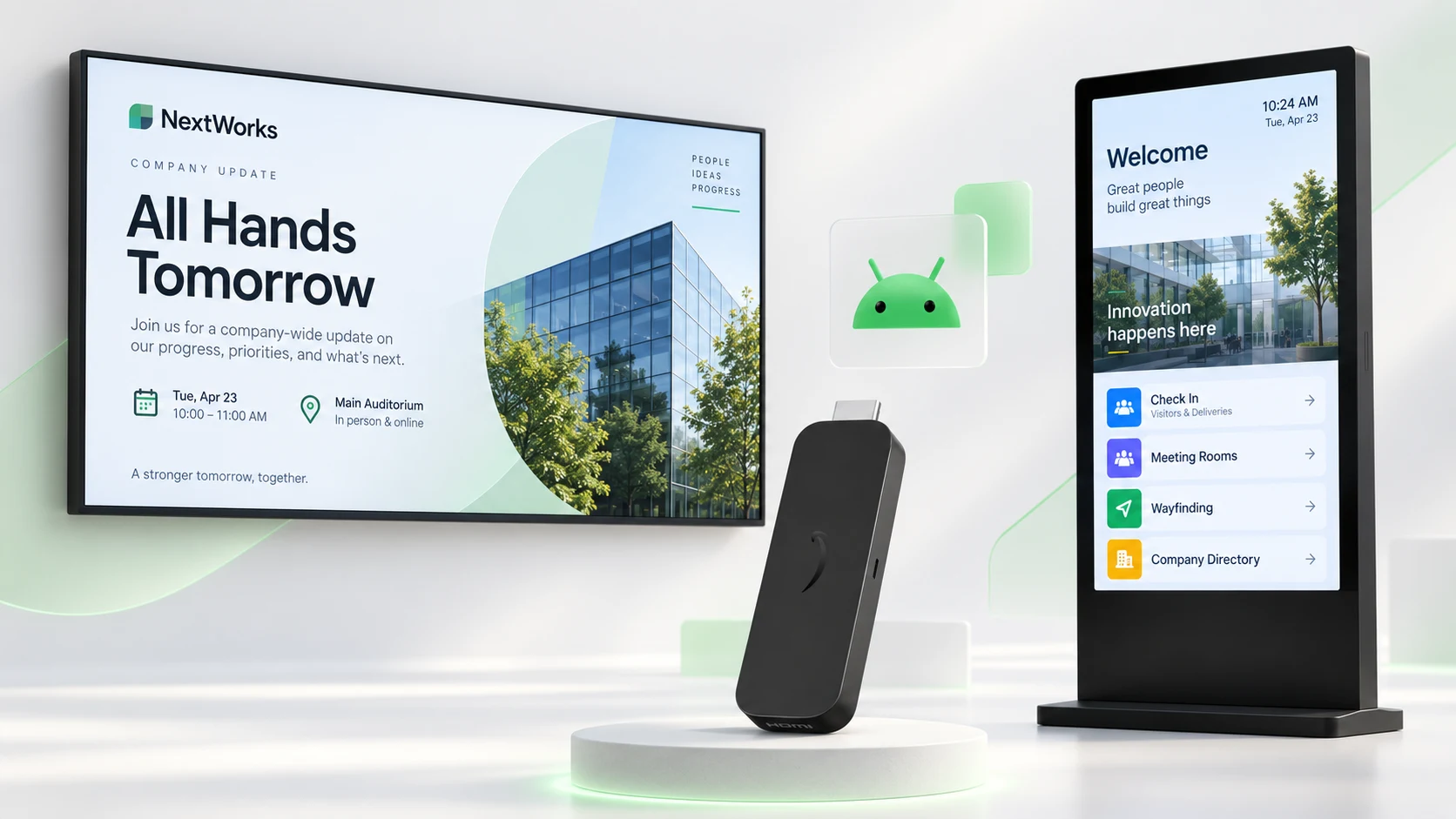
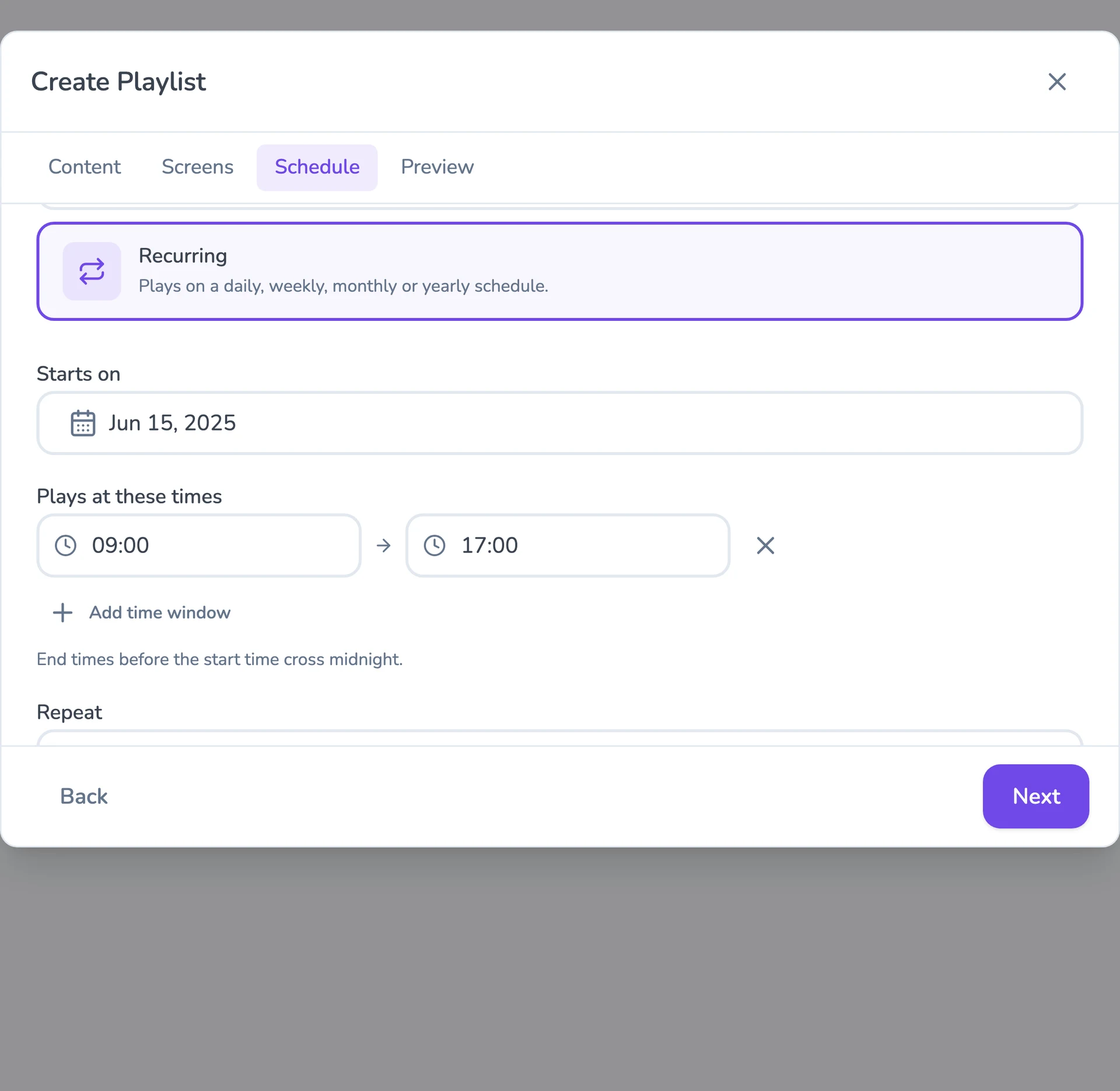
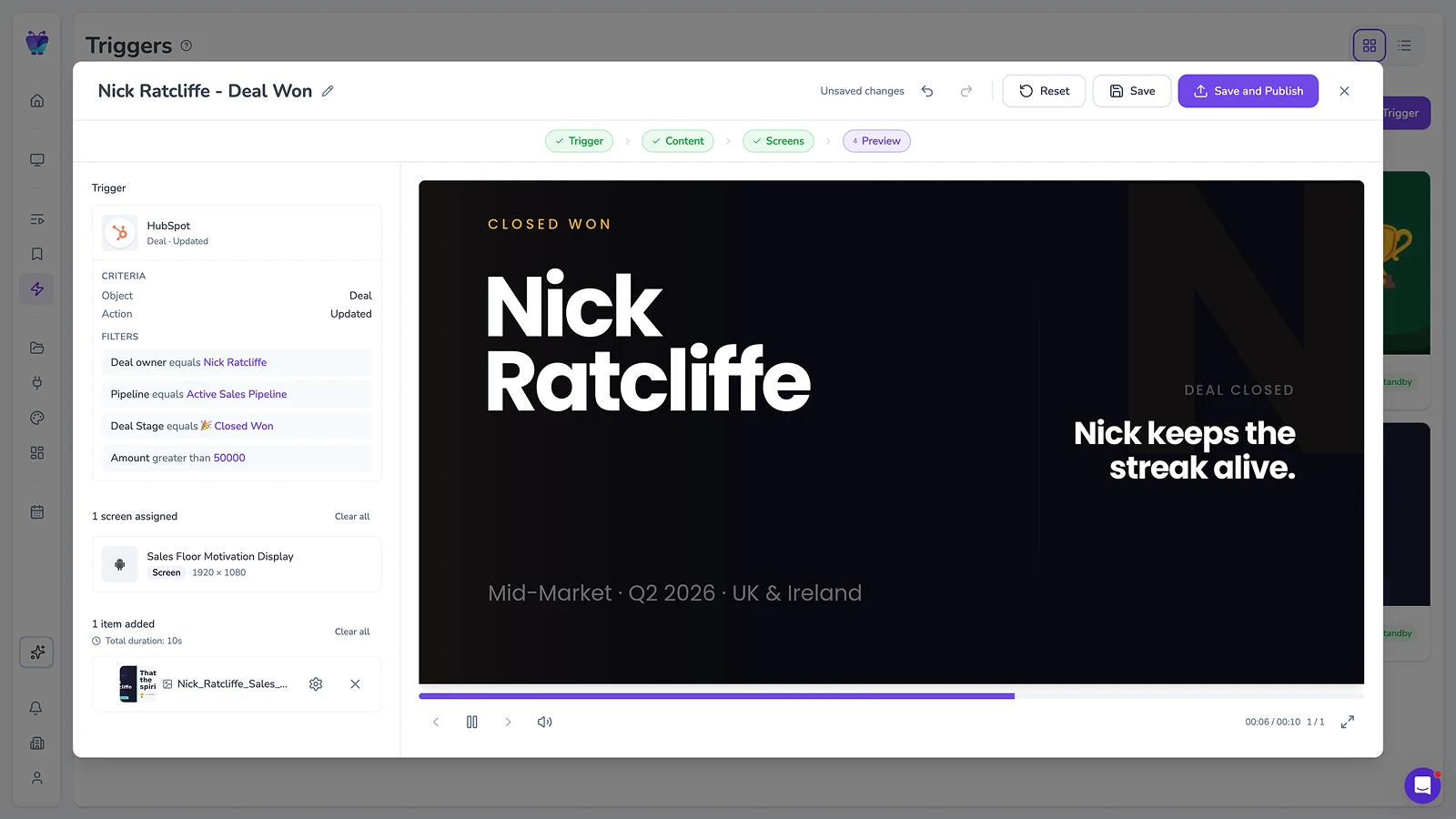
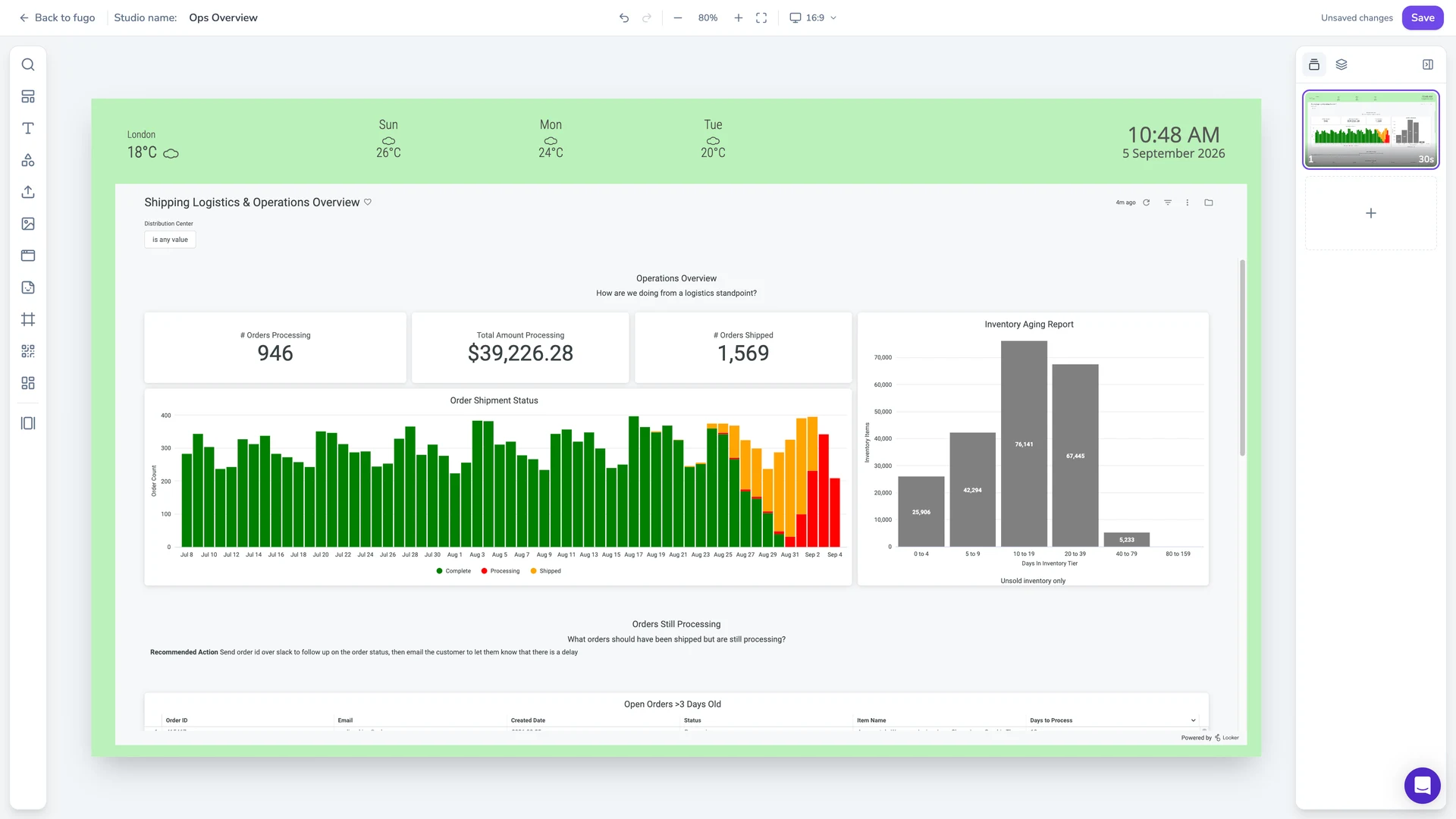
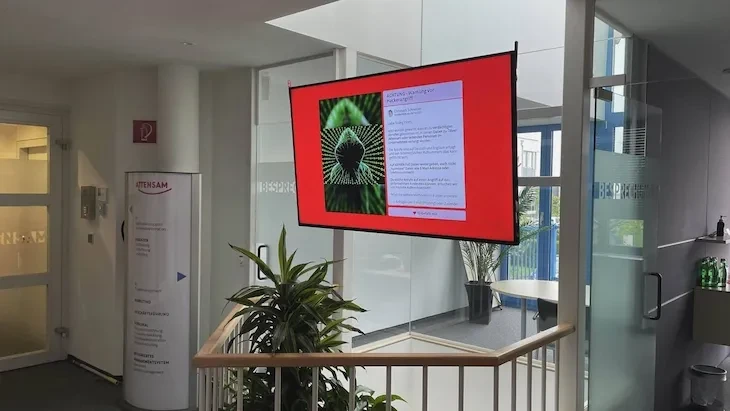
Landscape screen with a company all-hands announcement and a portrait welcome kiosk, beside an Amazon Signage Stick and the Android logo

The versatility & performance of Android for digital signage

Deploying digital signage on Android hardware offers a great balance of affordability, native screen flexibility, and easy scaling across displays.

Native SoC integration

Install directly onto Android-powered smart TVs without adding external media players, extra HDMI cables, or bulky mounting hardware.

Zero OS license fees

Scale your display network without per-device operating system fees or recurring software taxes driving up rollouts.

Instant boot-to-app

Take advantage of native OS permissions that allow Fugo to take over the screen automatically as soon as the device powers on.

Kiosk app lockdown

Prevent unwanted tampering by locking Fugo as the single active app, complete with auto-reboot recovery if a screen loses power.

Lightweight footprint

Android's lean Linux-based kernel runs reliably on minimal system resources without requiring heavy desktop OS background tasks.

Easy network expansion

Deploy identical app builds across varied hardware types, keeping fleet management unified as your network grows.

Fast setup from the Google Play Store

Install the Fugo player app straight from the Google Play Store and pair it to your account with a quick PIN to launch your digital sign. Using custom AOSP hardware? Sideload our APK directly for an equally smooth deployment.

Set up Fugo on Android
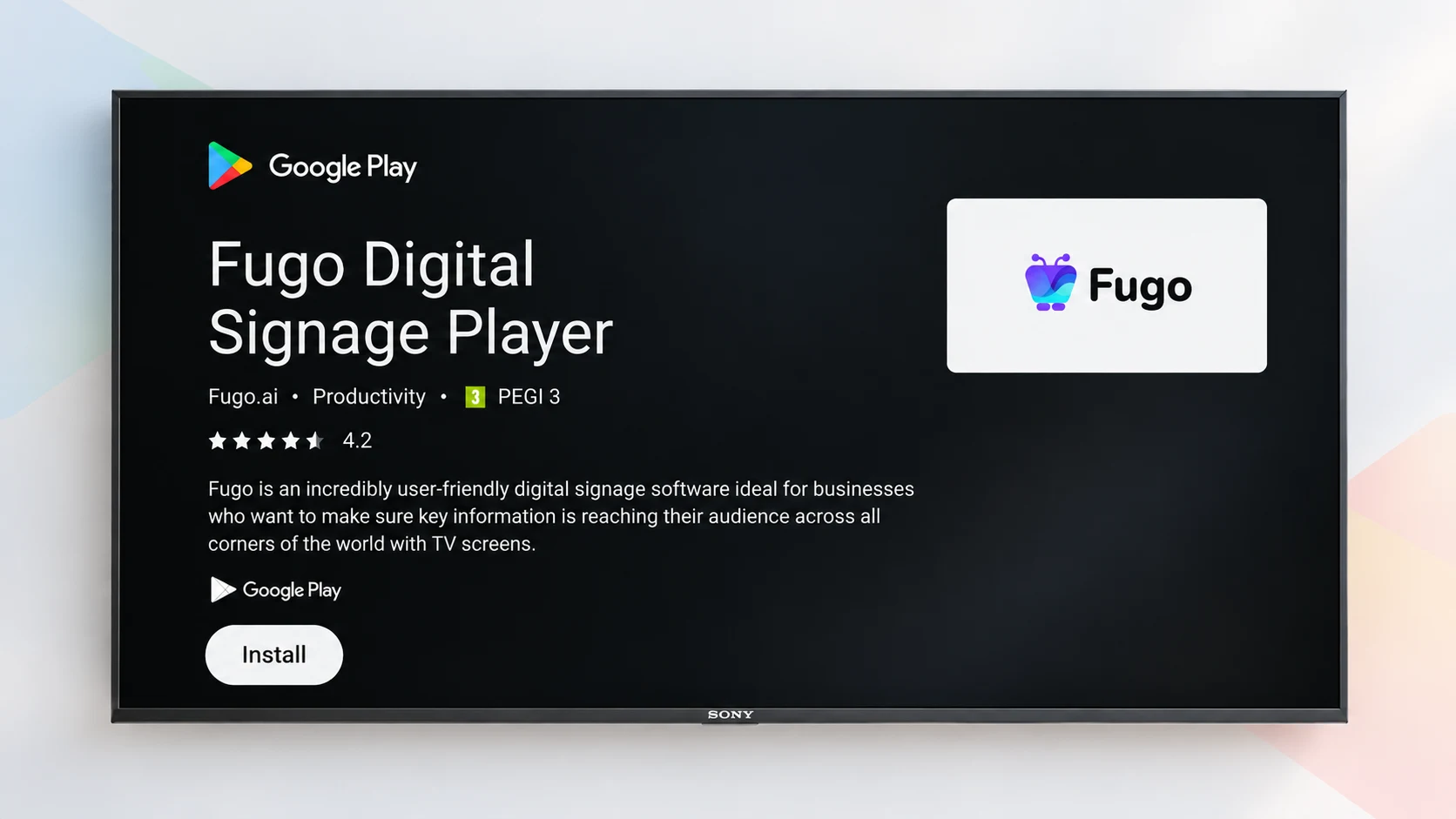
A Sony display open to the Fugo Digital Signage Player listing on Google Play, with an Install button

Put smarter digital signage software behind your Android displays

Fugo’s cloud CMS puts absolute command of your screen network in your hands - governing what airs, targeting where it lands, and automating when it changes.

Explore all Fugo features

Centralized screen management

Organize and control your entire screen network from one place, without losing the flexibility to manage each screen according to its setup.

Works across mixed hardware

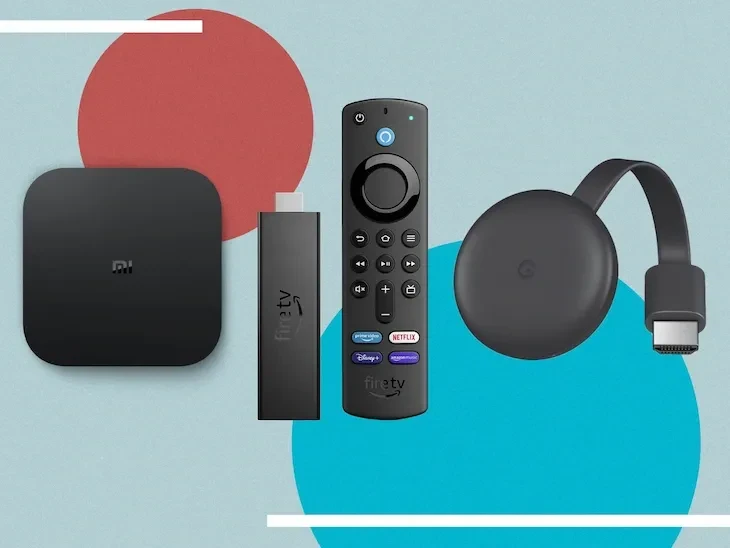
Sticks, SoC TVs, and tablets sit in one account — group and target them however you operate the estate.

Built-in remote monitoring

See what’s happening on remote screens from Fugo. Verify playback and investigate problems without sending someone on site.

Granular user management

Give teams access to the screens and content they own without opening the rest of the network.

Recommended Android devices

Fugo supports a wide range of Android hardware, from media players and smart TVs to kiosk displays and professional signage screens.

View all supported Android hardware
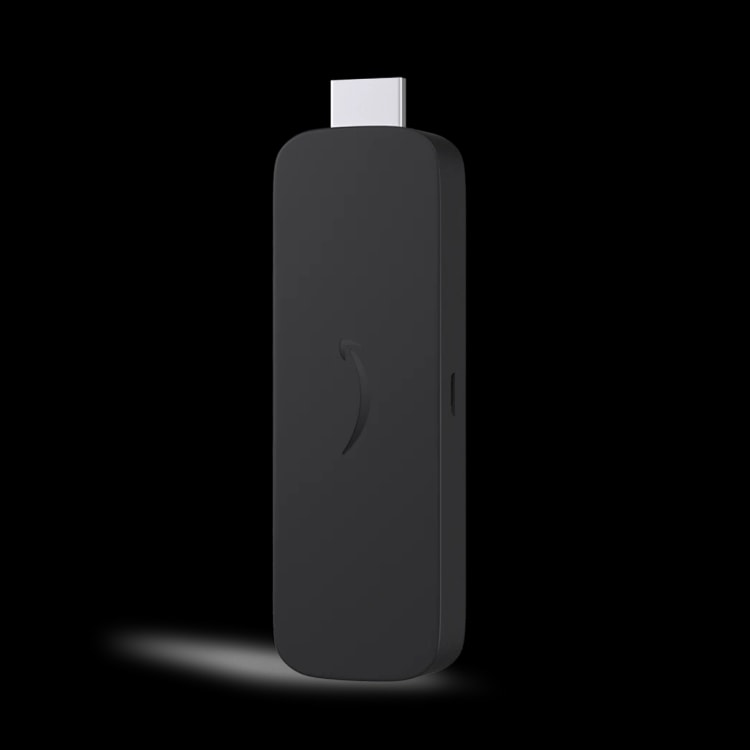
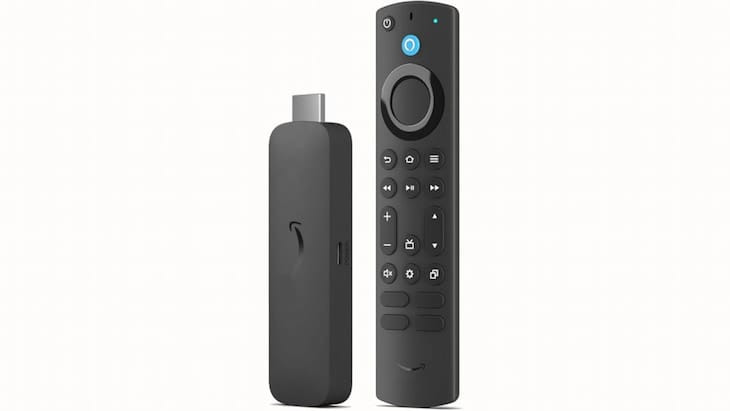
Amazon Signage Stick
Purpose-built signage player

Amazon Signage Stick

A purpose-built device from Amazon that plugs into an existing display and runs Fugo without replacing the screen.

Key features
  • Around $100 per screen

  • Auto-launches into signage mode

  • Select Fugo during setup

  • Provision devices remotely

Hisense UH8 Series
Consumer smart TV

Hisense UH8 Series

A Google TV with Fugo running directly on the display, suited to everyday signage with lighter content requirements.

Key features
  • Google TV built in

  • Install Fugo from Google Play

  • No external player required

  • Easy to source at retail

Sony BRAVIA BZ30L
Professional signage display

Sony BRAVIA BZ30L

A professional Android display built for continuous signage and more demanding content, with Fugo running directly on the screen.

Key features
  • Rated for 24/7 operation

  • Android built in

  • Professional display controls

  • Supports dual video zones

Android digital signage FAQs

What is Android digital signage?

Android digital signage means running a signage player application like Fugo on Android-powered hardware. That could be a media player connected over HDMI, a consumer smart TV with Android TV or Google TV built in, a tablet or kiosk, or a professional display with an Android-based system-on-chip.

The important distinction is the hardware underneath Android. Two devices running the same operating system can have very different processors, memory, operating-hour ratings, and device-management capabilities, so the right choice depends on what you plan to show and where the screen will be installed.

See our Android hardware directory for supported devices and minimum requirements.

How does Android compare to other digital signage operating systems like ChromeOS, Windows, BrightSign, or webOS?

Android gives you a particularly wide hardware choice, from inexpensive media players and retail smart TVs through to professional signage displays. That makes it useful when you want flexibility around form factor, sourcing, and price.

Other platforms solve different problems. Windows and ChromeOS mini PCs give you more processing headroom for browser-heavy content and dashboards. BrightSign is purpose-built signage hardware designed around continuous playback and centralized provisioning. Platforms such as LG webOS Signage put the player directly into a professional display.

There isn’t one operating system that makes sense for every installation. Start with the content, operating hours, display environment, and management requirements, then choose the hardware around those constraints.

What OS should I use for digital signage: Android or Windows?

For straightforward signage such as images, video, menus, announcements, and lighter web content, Android gives you plenty of capable options without requiring a PC behind every screen.

Windows becomes more important when the screen has heavier work to do. Fugo’s on-premise and player-local dashboard configurations currently require Windows, and demanding web content or dashboards can benefit from the extra processing power of a mini PC. Power BI, Looker, and Grafana Cloud also have display modes that render content on the player itself, so we recommend stronger hardware for those workloads. A professional Android display such as Sony BRAVIA can still be a good option; lower-powered consumer Android devices generally are not.

If dashboards are central to your project, see how Fugo TV Dashboards work before choosing the player.

Is a Raspberry Pi a better option than an Android player?

It depends on the content.

A Raspberry Pi 4 or 5 is an inexpensive, compact option for simpler signage such as images, text, notices, and lightweight layouts. We do not recommend it for demanding video, heavy web content, or complex multi-zone playback.

Android covers a much broader performance range. A basic Android TV device may be similarly suited to simple content, while professional Android displays can handle considerably more. If you’re choosing between them, compare the actual workload rather than the operating system alone.

Can I use my smart TV for digital signage?

Yes, if it runs a supported version of Android TV or Google TV. Fugo supports Android 7.1.2 and above, although Android 10 or newer is recommended. Access to Google Play also makes installation much easier.

A consumer smart TV can be perfectly reasonable for lighter signage that runs during normal business hours. If the display needs to operate continuously, sit in a public or difficult-to-service location, or handle more demanding content, look at a professional display instead. Sony BRAVIA Professional Displays, for example, add commercial operating ratings, professional controls, and models designed for 16/7 or 24/7 use.

Check your model against the Android hardware directory before buying.

My smart TV doesn’t have the Google Play Store. Now what?

Google Play is the easiest way to install Fugo, but its absence does not automatically make an Android device unusable.

Many Android AOSP devices are designed to install applications directly rather than through Google Play. If the device meets Fugo’s Android requirements and allows APK installation, you can download the Fugo Android APK and sideload the Player instead.

If you’re unsure what version of Android the device runs or whether it supports third-party apps, check the manufacturer’s documentation first. Our Android setup guide covers the standard installation and pairing process.

What are the most popular Android digital signage players?

Android covers several quite different types of hardware, so we’d choose by use case rather than popularity.

For adding signage to an existing TV, the Amazon Signage Stick is a purpose-built option with kiosk-mode startup and remote provisioning. Consumer Android and Google TV devices can work well for everyday media and announcements. If you want Fugo running directly on a professional display, Sony BRAVIA gives you commercial operating ratings and stronger built-in hardware.

For demanding dashboards, websites, or complex layouts, start with the content requirements before choosing an Android player. You can also browse and filter devices in the Fugo hardware directory.

Do I need one media player per screen?

Usually, yes. Most Android media players have a single HDMI output, so each display gets its own player.

If the TV or professional display runs Fugo directly on its built-in Android hardware, there is no separate box to add at all.

For projects where one player needs to drive several displays, look specifically for multi-output hardware rather than assuming a standard Android player will support it. Fugo also supports Windows and BrightSign devices designed for multi-display setups; our hardware directory lets you compare those options.

What do I need to set up a digital signage project?

At the basic level, you need a screen, a compatible device capable of running the Fugo Player, an internet connection, and a Fugo account where you manage the content.

Sometimes the screen and player are the same piece of hardware, as with an Android smart TV or professional SoC display. With a standard TV, you connect a media player over HDMI instead.

From there, the hardware choice should follow what you want the screen to do. Simple media places very different demands on a player than live dashboards, websites, touch content, or video walls. The Fugo hardware finder can help narrow the options, or see how Fugo works for the complete setup.

How does Esper fit into an Android digital signage setup?

Fugo and Esper handle different layers of the setup.

Fugo manages what happens on the screens: content, playlists, schedules, apps, dashboards, and the Fugo Player itself. Esper is an Android device-management platform. It can provision devices, push or update applications, enforce device settings, lock down the operating system, monitor hardware, and remotely troubleshoot devices.

You do not need Esper to run Fugo on Android. It becomes useful when your IT team wants deeper control over the Android devices themselves, particularly across a larger managed deployment.

What kind of content can I display with Fugo?

You can publish images, video, PDFs, websites, live streams, apps, dashboards, and layouts created in Fugo’s Design Studio. The Fugo App Store also connects screens to tools such as Google Drive, YouTube, SalesScreen, and One Up Sales.

For business data, Fugo supports dashboards from tools including Power BI, Salesforce, and Tableau. You can also display HTML embeds and HLS/IPTV video streams.

The hardware still matters. Media and screenshot-based dashboards are relatively light workloads. Live Power BI, Looker, Grafana Cloud, complex websites, and multi-video layouts require considerably more processing power, so don’t assume every Android device can run every Fugo feature equally well.

Is Fugo a free digital signage software for smart TVs?

Fugo is paid digital signage software, but you can try the full platform free for 14 days without entering a credit card.

Fugo also provides a free watermarked test screen that you can keep using to experiment with content and player performance. It’s intended for testing rather than a permanent production screen.

See current plans and screen pricing on the Fugo pricing page.

How is Fugo different from tools like Yodeck, OptiSigns, or ScreenCloud?

Android support on its own is not a very useful way to choose between digital signage platforms. The bigger question is what you need the software and hardware together to handle.

Fugo supports Android alongside Windows, ChromeOS, BrightSign, Samsung SSSP, LG webOS Signage, Raspberry Pi, and other platforms, so you can choose hardware around the installation rather than being tied to a single player. The same CMS handles standard media and scheduling as well as TV dashboards, web content, multi-zone layouts, and integrations from the Fugo App Store.

If you’re comparing platforms for a real project, I’d evaluate them against your content, device-management requirements, screen environment, and the hardware you expect to run rather than comparing feature counts in isolation.